Topics: BTR, Finance & Accounting Outsourcing, Order-to-cash cycle
Posted on June 02, 2026
Written By Nishant Kumar




In Build to Rent, revenue leakage rarely starts with rent pricing. It usually starts much later, when a signed lease becomes a live resident account, and no single team fully owns what happens next.
Leasing teams are measured on occupancy, move-ins, renewals, and resident experience. Finance teams are measured on collections, cash visibility, aged debt, and reporting accuracy. But between those two functions sits the most commercially sensitive part of build to rent (BtR) operations: the order to cash (O2C) cycle.
That is where the ownership gap begins.
The real issue is not demand. It is control.
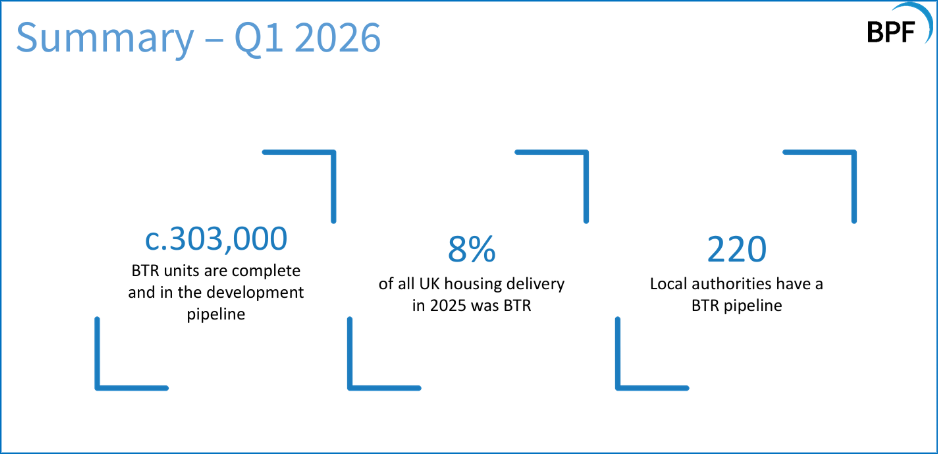
The UK BtR sector is no longer a niche housing model. According to the British Property Federation’s Q1 2026 Build to Rent statistics, “BTR comprised 8% of the 210,000 new homes delivered in Great Britain in 2025.”
That scale changes the finance challenge. When portfolios grow across buildings, regions, property managers, leasing systems, and finance platforms, small process gaps become recurring revenue risks.
A missed charge, a delayed deposit allocation, an unclear resident query, or an unresolved billing dispute may look operational on the surface. But in practice, these gaps affect rent collection efficiency, tenant billing and collections, accounts receivable (AR) management, and cash flow confidence.
The question for BtR leaders is simple:
Who truly owns the journey from lease agreement to collected cash?
If the answer sits somewhere between leasing, property management, and finance, then the business is not dealing with a people problem. It is dealing with a broken operating model.
This is why more operators are rethinking order to cash process integration and exploring structured order to cash outsourcing. Not as a back-office fix, but as a way to create end-to-end ownership across billing, collections, dispute resolution, cash application, and reporting.
For BtR CFOs, asset managers, and operations leaders, the next stage of maturity is not just about filling units. It is about making sure every occupied unit converts into clean, visible, and predictable cash.
In Build to Rent, revenue does not move in a straight line.
It starts with leasing, moves through resident onboarding, becomes a billing record, gets tested through queries or disputes, and finally lands as cash. That journey sits inside the order to cash (O2C) cycle, but in many build to rent (BTR) operations, no single team owns it end to end.
That matters more now because BTR is no longer a small operational niche. The British Property Federation’s Q1 2026 report notes that BTR accounted for 8% of all new homes delivered in Great Britain in 2025. At this scale, a small billing delay, missed charge, or unclear resident communication is not just an admin issue. It becomes a repeatable portfolio-level revenue risk.
The real problem is not that teams are careless. It is that every team is doing its job, but each team is measured on a different part of the revenue journey.
Leasing teams are usually measured on occupancy, lease-up speed, renewals, resident conversion, and move-in experience.
That makes sense. But it also means their role often ends before revenue is fully realised.
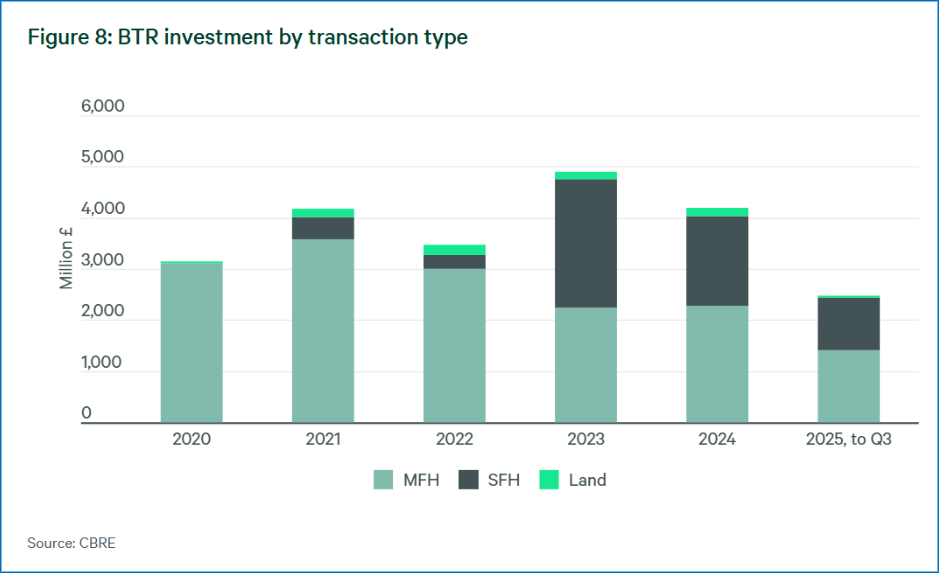
This is where the gap becomes easy to miss. According to CBRE’s UK Living Outlook 2026, BTR occupancy averages around 97%. On paper, that looks like strong operational performance. But high occupancy does not automatically mean clean revenue if lease terms, concessions, rent-free periods, service charges, parking fees, pet fees, or deposits do not flow accurately into billing.
A building can look healthy from an occupancy dashboard while still carrying hidden leakage inside the order to cash (O2C) cycle.
For example:
To leasing, the unit is occupied. To finance, the account may already be misaligned.
That is why leasing and finance workflow alignment is so important in BTR. Occupancy creates the revenue opportunity, but it does not guarantee revenue accuracy.
Finance teams are usually held accountable for collections, arrears, cash application, month-end reporting, and accounts receivable (AR) management.
But finance often inherits the financial output of decisions made earlier in the resident journey.
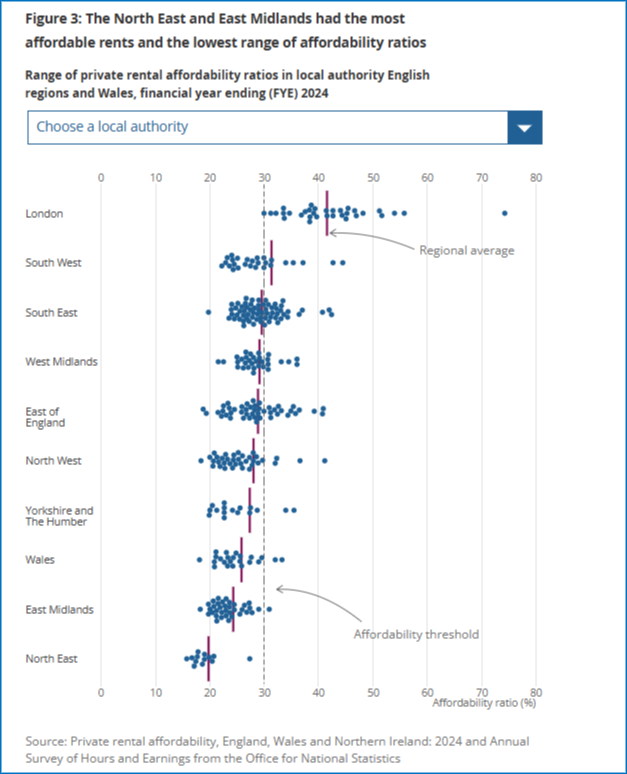
In the wider private rental market, the pressure around collections is already visible. ONS data shows that private renters in England on median household income could expect to spend 36.3% of their income on an average-priced rented home in 2024. That means even small billing errors or unclear charges can quickly become sensitive resident issues.
The English Housing Survey also found that 5% of private renters were currently or previously in arrears in the past year. That figure may sound small, but for large BTR portfolios, even a small percentage can translate into significant manual chasing, dispute handling, delayed cash allocation, and reporting noise.
This is where BtR accounts receivable management becomes more complex than simply sending reminders.
Finance is not just collecting rent. It is trying to interpret what:
Without strong order to cash process integration, finance becomes the team that chases the issue, explains the issue, and reports the issue, even when the root cause sits upstream.
Property operations teams are closest to the resident.
They manage move-ins, resident queries, maintenance issues, amenity concerns, service complaints, and day-to-day communication. In many BTR communities, they are the first to know when something has changed that could affect billing or collections.
But they are not always financially accountable for how those updates flow into the revenue cycle.
That creates another blind spot.
Cushman & Wakefield’s Q1 2025 Build to Rent Marketbeat report, citing HomeViews, notes that 39% of reviewers had lived in their BTR development for over two years. It also states that average tenancy lengths typically range between 20 and 26 months. This matters because BTR revenue is not just created at move-in. It is shaped across a long resident relationship.
Over that relationship, many small operational moments can create financial consequences:
Each of these moments affects tenant billing and collections.
But if property operations are not connected to the finance workflow, these updates can remain trapped in emails, resident portals, property management systems, or informal conversations.
For UK real estate asset management, that gap affects much more than resident experience. It affects arrears visibility, cash forecasting, reporting confidence, and investor-level understanding of portfolio performance.
The real challenge is not leasing, finance, or property operations individually. It is the space between them.
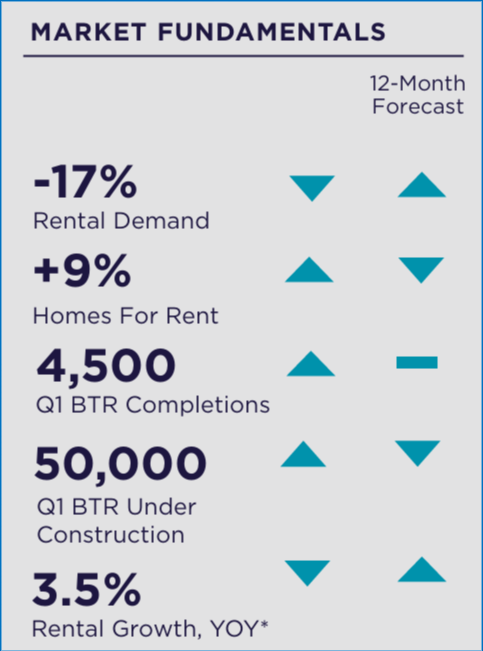
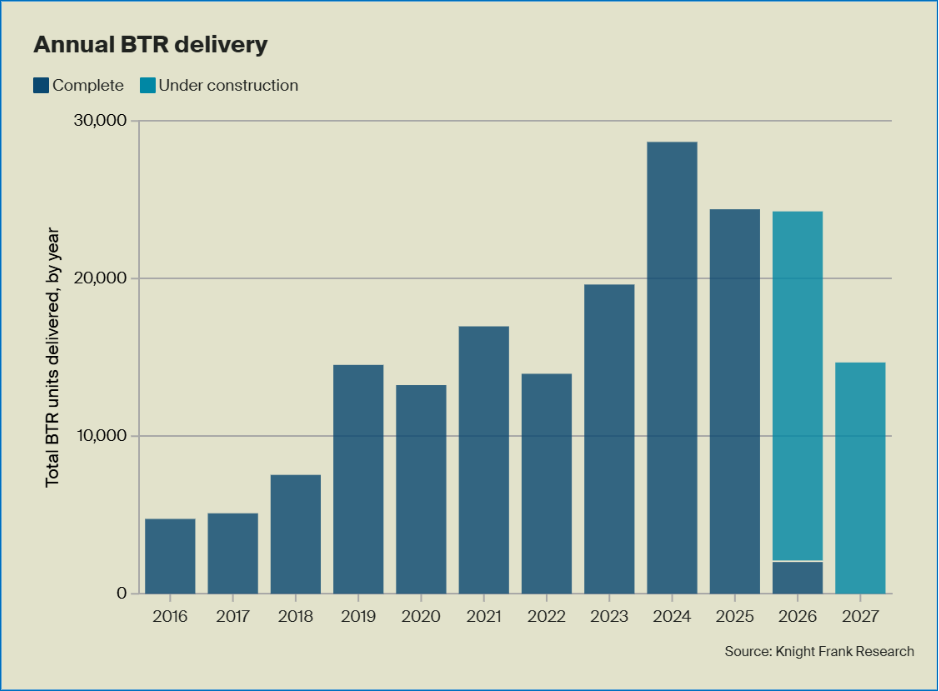
Knight Frank’s Q1 2026 UK BTR market update states that the UK’s BTR stock now stands at 165,790 completed homes, with 50,690 homes under construction and 126,565 homes in the planning pipeline. As the sector scales, fragmented revenue ownership becomes harder to absorb manually.
In many BTR businesses, revenue ownership is split like this:
Each team owns a piece of the journey. No team owns the full journey.
That is why revenue leakage in BTR often appears quietly:
This is where order to cash outsourcing becomes a strategic operating model conversation, not just a back-office resourcing decision.
A structured order to cash outsourcing services partner can help create clearer ownership across billing, collections, dispute resolution, cash application, resident account reconciliation, and reporting. For BTR operators looking to outsource real estate accounting or improve rent collection outsourcing UK models, the real value is not simply extra capacity. It is end-to-end control across the full order to cash (O2C) cycle.
Insight: In BTR, revenue is generated operationally but collected financially. When no one owns the journey end to end, leakage becomes almost invisible until it shows up as arrears, disputes, reporting gaps, or weaker cash flow.
Revenue leakage in Build to Rent rarely shows up as one major failure. It usually appears through small, repeated process gaps between leasing, property operations, and finance.
A charge is missed. A billing update is delayed. A resident query is answered by one team but not reflected in the finance system. A renewal term changes, but the new amount is not applied correctly.
Individually, these issues look manageable. Across a portfolio, they weaken rent collection efficiency, create avoidable disputes, and make BtR accounts receivable management harder than it needs to be.
The real issue is not just that money is overdue. It is that the business does not always have one clear owner for the journey from lease agreement to collected cash.
Tenant billing is one of the first places where the leasing-finance gap becomes visible.
A resident may have signed the lease, completed onboarding, and moved into the unit, but if the billing record is not created accurately or on time, the order to cash (O2C) cycle starts with friction.
This can happen when:
For residents, this creates confusion from the very beginning. For finance, it creates manual correction work before collections have even started.
In a mature order to cash process integration model, billing should not depend on informal updates between teams. Lease data, resident records, charge schedules, and finance workflows need to connect cleanly so that the first bill is accurate, timely, and easy to explain.
Not all revenue leakage comes from unpaid rent. Some of it comes from revenue that was never billed in the first place.
In build to rent (BtR) operations, this often includes smaller recurring or one-off charges that sit around the core rent amount.
Examples include:
These charges may seem small compared to monthly rent, but they matter at scale.
The challenge is that many of these items are triggered operationally. Leasing may agree them. Property operations may manage them. Finance may only see them if the update reaches the billing workflow.
That is where leakage starts.
When there is weak leasing and finance workflow alignment, the business can lose revenue without immediately noticing it. The unit is occupied, the resident is paying rent, and the account may look active. But the full commercial value of that tenancy is not being captured.
This is one reason why order to cash outsourcing services can be valuable for growing BtR portfolios. The right operating model creates structured checks around charge setup, renewals, amendments, and adjustments so that revenue does not depend on memory, email trails, or manual follow-ups.
Resident disputes often look like collections issues. In reality, many start as data alignment issues.
A resident receives a bill that does not match what they understood during leasing. A concession is missing. A charge appears unexpectedly. A renewal increase is applied before it was properly communicated. A service charge adjustment is not explained clearly.
When lease data and billing data do not match, finance is left collecting against a balance the resident may not trust.
That slows down the entire order to cash (O2C) cycle.
Instead of a clean payment journey, the process turns into a loop:
The issue is not only the dispute itself. It is the time lost because no one has a single, trusted view of the resident account.
For accounts receivable (AR) management, this creates hidden workload. Finance teams spend time validating charges, checking lease terms, reviewing email trails, and reconciling information across systems instead of focusing on cash visibility and proactive collections.
Strong order to cash services for real estate should reduce this ambiguity by connecting lease terms, billing logic, resident communication, and collection workflows into one controlled process.
Communication gaps are another common source of revenue leakage.
In BtR, residents may speak to leasing, on-site property teams, resident services, and finance at different points in the same issue. If those teams do not work from the same information, the resident experience becomes inconsistent.
For example:
This creates two problems at once.
First, it damages trust with the resident. Second, it slows collections because the resident now needs clarification before they are comfortable paying.
In tenant billing and collections, consistency matters. Residents are more likely to respond when communication is clear, joined up, and based on accurate account history.
This is where rent collection outsourcing UK models need to be designed carefully. Outsourcing collections alone is not enough if the partner does not have access to leasing updates, resident query status, and property-level context. The goal should be connected O2C ownership, not isolated chasing.
The final leakage point is visibility.
Many BtR operators can see high-level arrears, but not always the reason behind those arrears. That makes it difficult for CFOs, asset managers, and operations leaders to know whether the issue is resident affordability, weak collections, delayed billing, unresolved disputes, missed lease updates, or poor handoffs.
This distinction matters.
If the problem is treated as a collections issue, the response may be more reminders, more escalation, or tighter arrears reporting. But if the real cause is upstream process failure, those actions will not fix the root issue.
Better visibility should answer questions such as:
For UK real estate asset management, this level of visibility is critical. Investors and leadership teams do not just need to know how much has been collected. They need to understand why cash is delayed, where leakage is forming, and whether the operating model can support portfolio growth.
That is why order to cash outsourcing for build-to-rent (BtR) should be viewed as more than finance support. Done well, it brings structure to the full revenue journey, from lease setup and billing through collections, dispute management, cash application, and reporting.
Thought Leadership Insight: Most rent collection inefficiencies are not collections problems. They are process ownership problems. When leasing, property operations, and finance each own only part of the journey, leakage becomes a system issue rather than a team issue.
Traditional accounts receivable (AR) management models were not built for the pace and complexity of build to rent (BTR) operations.
They often work well when billing is fixed, customer data is stable, and collection cycles are predictable. But BTR is different. Resident accounts change frequently, lease terms vary, and operational decisions can affect billing almost instantly.
BTR billing is rarely static.
Rent-free periods, renewals, amenity charges, parking, deposits, move-ins, move-outs, and mid-tenancy changes all affect the order to cash (O2C) cycle.
Traditional AR models usually respond after the bill is raised. In BTR, that is too late. The process needs to capture leasing changes before they become billing errors.
Many AR workflows sit outside the property management system.
This creates gaps between what leasing teams agree, what property teams manage, and what finance teams bill.
Without strong order to cash process integration, finance teams spend more time checking data, correcting charges, and resolving avoidable disputes.
Traditional collections focus on overdue balances.
But in BTR, late payment is often the final symptom of an earlier process failure.
A missed charge, unclear concession, delayed lease update, or unresolved resident query can all slow payment. Better BtR accounts receivable management means managing the full resident revenue lifecycle, not just chasing arrears.
Every leasing event creates a financial event.
A signed lease, renewal, concession, move-out, or service change should automatically trigger the right billing and collections workflow.
When that alignment is missing, rent collection efficiency suffers. This is where structured order to cash outsourcing services can help create clearer ownership across leasing, billing, collections, and reporting.
In BTR, the order to cash (O2C) cycle should not be treated as a finance-only process. It is a revenue ownership model that connects leasing, resident experience, billing, collections, cash application, and reporting.
The shift is simple but important: stop asking, “Who collects the rent?” and start asking, “Who owns the full journey from lease agreement to cash received?”
Revenue does not begin when finance raises an invoice or rent demand. It begins when leasing agrees the commercial terms of the tenancy.
That means tenant billing and collections should be managed as part of one continuous lifecycle, not as separate handoffs between teams.
A stronger O2C model connects:
This gives BTR operators better control over revenue before issues reach the collections stage.
Every leasing event should create a financial trigger.
A move-in should trigger billing setup. A renewal should trigger rent updates. A concession should trigger billing adjustments. A move-out should trigger final account reconciliation.
When these triggers are not clearly owned, the gap between leasing and finance widens.
Strong leasing and finance workflow alignment ensures that operational changes are reflected financially without relying on manual reminders, emails, or delayed updates.
Residents do not see leasing, property operations, and finance as separate departments. They see one living experience.
If their billing does not match what they were told during leasing, or if collections messages ignore an open resident query, trust weakens.
This is why order to cash process integration matters in build to rent (BTR) operations. Billing and collections need to reflect the full tenant journey, including move-in promises, service issues, payment queries, adjustments, and renewal conversations.
Better integration helps improve rent collection efficiency because residents receive clearer, more consistent communication.
The biggest change is not technological. It is operational.
BTR operators need to move from departmental ownership to end-to-end revenue accountability.
That means:
All three functions need to work within one connected O2C framework.
For some operators, this is where order to cash outsourcing becomes relevant. A structured partner can help create consistent workflows, clearer controls, and stronger accountability across the full revenue journey.
The goal is not just better collections. It is a cleaner, more visible, and more controlled revenue model for BTR growth.
For more on building scalable finance operations in BTR, read our blog: Scaling Build-to-Rent Portfolios: Is Your Finance Ops Ready?
Order to cash outsourcing gives BTR operators one accountable ownership layer across the full order to cash (O2C) cycle, from lease creation and tenant billing to rent collection, cash application, reconciliation, and reporting. Instead of leasing, property operations, and finance managing disconnected parts of the revenue journey, a structured O2C model ensures every financial step has a clear owner.
A strong order to cash outsourcing services model connects leasing data with billing and accounts receivable (AR) management systems, reducing the disconnect between operational and financial records. This helps ensure that rent amounts, concessions, renewals, deposits, amenities, and adjustments are captured accurately before they become billing errors or collection delays.
In build to rent (BTR) operations, consistency matters because residents expect billing to be clear, accurate, and easy to understand. Standardised tenant billing and collections workflows help reduce missed charges, incorrect balances, inconsistent reminders, and unnecessary disputes, while improving transparency across leasing, finance, and property teams.
Rent collection efficiency improves when collections are not handled as a last-stage finance task, but as part of an integrated revenue lifecycle. With structured workflows for reminders, disputes, payment follow-ups, escalations, and cash allocation, order to cash (O2C) outsourcing for build-to-rent (BtR) can reduce delays and improve cash flow predictability.
Residents should not receive different answers from leasing, property operations, and finance. A connected order to cash process integration model creates more professional, consistent communication across the payment lifecycle, helping residents understand what they owe, why they owe it, and how issues will be resolved. This supports both better collections and a smoother tenant experience.
Also Read: Top Finance and Accounting Outsourcing Companies in UK: 10 Key Questions to Ask
A connected order to cash outsourcing model helps BTR operators identify missed charges, delayed billing, unresolved disputes, and weak handoffs before they become recurring portfolio-level leakage.
When billing, reminders, disputes, and cash application are managed through structured workflows, rent collection efficiency improves and arrears become easier to track, explain, and reduce.
Strong BtR accounts receivable management gives finance leaders clearer visibility into property-level collections, aged debt, billing errors, and payment delays, helping them understand where performance is weakening.
A smoother order to cash (O2C) cycle improves cash predictability by reducing delays between billing, collection, reconciliation, and reporting. This supports stronger working capital control across the portfolio.
Reliable O2C data gives investors and asset managers more confidence in reported income, arrears, cash flow, and operational performance across UK real estate asset management portfolios.
For a closer look at how operational efficiency, finance visibility, and resident experience shape returns, read our blog: What’s the Key to Optimising BtR Operations for Maximum ROI?
High occupancy only creates value when lease terms are accurately converted into billed and collected revenue. Strong leasing and finance workflow alignment helps connect occupancy performance with actual cash outcomes.
Integrated O2C reporting helps operators see where revenue is being lost, whether through missed charges, recurring disputes, slow collections, or weak billing controls across properties.
Clear billing, consistent communication, and faster query resolution improve the resident experience. This makes tenant billing and collections part of retention, not just finance administration.
As build to rent (BTR) operations expand, manual fixes become harder to sustain. Structured order to cash outsourcing services create the process discipline, visibility, and accountability needed to support growth without losing financial control.
Are billing errors or disputes increasing across properties?
If billing corrections, resident queries, and disputed charges are becoming routine, the issue may sit earlier in the order to cash (O2C) cycle, not just within collections.
Is there a disconnect between leasing data and finance systems?
When lease terms, concessions, renewals, deposits, or charge updates do not flow cleanly into billing, tenant billing and collections become harder to manage accurately.
Are arrears rising despite strong occupancy levels?
High occupancy does not always mean strong cash performance. If arrears are rising, the gap may be in billing accuracy, dispute handling, or rent collection efficiency.
Do multiple teams “touch” revenue without clear ownership?
If leasing, property operations, and finance all manage parts of the revenue journey, but no one owns it end to end, BtR accounts receivable management becomes fragmented.
Is rent collection performance inconsistent across assets?
Different collection outcomes across properties often point to inconsistent workflows, unclear accountability, or weak order to cash process integration.
Also Read: Top Property Management Accounting Companies in the UK: What Defines the Best?
Create one connected workflow across leasing, property operations, and finance so that every lease event, billing update, resident query, and collection action has a clear owner.
Use consistent processes for rent billing, reminders, adjustments, disputes, cash application, and arrears follow-up to improve rent collection efficiency across the portfolio.
Strong order to cash process integration helps ensure leasing data, resident records, charges, concessions, and renewals flow accurately into billing and accounts receivable (AR) management systems.
Track property-level collections, aged debt, billing errors, dispute volumes, and cash allocation delays in real time so CFOs can see where revenue leakage is forming.
For growing build to rent (BTR) operations, structured order to cash outsourcing services can provide clearer ownership across tenant billing, collections, reconciliation, and reporting.
For UK real estate operators looking to reduce revenue leakage and improve rent collection efficiency, QX Global Group provides specialised order to cash outsourcing services built around the needs of build to rent (BTR) operations.
The focus is not just on collections. It is on creating a connected revenue workflow across leasing, billing, accounts receivable (AR) management, collections, reconciliation, and reporting.
QX Global Group helps BTR operators strengthen:
By combining real estate finance expertise, process discipline, automation, and order to cash process integration, QX Global Group helps operators move from fragmented workflows to a more controlled, scalable, and revenue-focused operating model.
If revenue ownership across leasing, billing, and collections is becoming harder to manage, speak to QX Global Group about building a more connected O2C model for your BTR portfolio.
Misalignment between leasing and finance can delay billing, create incorrect resident balances, and slow down dispute resolution. In build to rent (BTR) operations, this weakens rent collection efficiency because finance teams may be chasing payments based on incomplete or inaccurate leasing data.
Key signs include missed amenity charges, delayed tenant billing, rising arrears, frequent billing disputes, manual corrections, and inconsistent collection performance across properties. These often point to weak order to cash process integration rather than a simple collections issue.
BTR operators can track metrics such as billing accuracy, rent collection rates, aged debt, dispute resolution time, cash application speed, and property-level arrears trends. These metrics show whether the order to cash (O2C) cycle is controlled from lease setup to cash reconciliation.
Real estate firms can standardise billing and collections by using one common workflow for lease updates, charge creation, payment reminders, dispute handling, cash allocation, and reporting. This improves BtR accounts receivable management and creates more consistent performance across assets.
Fragmented O2C ownership can lead to billing errors, missed charges, unclear accountability, delayed collections, poor resident communication, and unreliable reporting. Over time, these risks affect cash flow visibility, investor confidence, and UK real estate asset management decisions.
CFOs can align leasing performance with financial outcomes by connecting leasing events to financial triggers. Move-ins, renewals, concessions, and move-outs should flow directly into billing, collections, and reporting workflows so occupancy performance translates into realised revenue.
BTR operators should consider order to cash outsourcing when billing errors, arrears, disputes, or manual handoffs increase across properties. Outsourcing can help establish end-to-end ownership across tenant billing, collections, reconciliation, and reporting without adding more internal complexity.

Education:

Nishant Kumar is a senior commercial leader with 20+ years of experience supporting hospitality and accommodation businesses through technology-enabled outsourcing and operational transformation. At QX Global Group, he works with property owners, asset managers, and hospitality leaders across the UK and Europe to improve profitability, modernise back-office operations, and build scalable operating models. His expertise spans finance and accounting, payroll, and digital enablement for multi-property and franchise-led hospitality organisations, with a strong focus on cost optimisation, standardisation, and automation-led efficiencies.
Expertise: Hospitality and accommodation outsourcing, Multi-entity finance transformation, Shared services and global delivery models, Automation-led cost optimisation, Strategic commercial advisory
Originally published Jun 02, 2026 10:06:20, updated Jun 02 2026
Topics: BTR, Finance & Accounting Outsourcing, Order-to-cash cycle
15 Sep 2026
Every compliance obligation a finance team meets requires data. Be it tax filings, statutory reporti...
Read More14 Sep 2026
A control failure doesn’t announce itself. It hides in the one routine a single trusted person own...
Read More11 Sep 2026
Picture a 90-unit association collecting around $290 a month per home. The books live in a spreadshe...
Read More10 Sep 2026
Late March 2026. Boardrooms across UK hospitality did the same sum. Days before 1 April, the n...
Read More