Topics: Finance & Accounting, Procure-to-pay cycle
Posted on March 29, 2026
Written By Mehboob Rad




Cash leakage in finance operations usually starts quietly inside the procure-to-pay (P2P) process, where small operational gaps accumulate over time. Supplier invoices are entered incorrectly. Purchases bypass approved procurement routes. Duplicate payments slip through because two systems fail to reconcile properly.
Individually, these incidents look like routine operational errors. Over time, however, they begin to affect working capital.
Many finance teams only recognize the pattern once it appears in financial reports: unexplained payment adjustments, rising invoice disputes, or procurement activity that does not align with policy. By then, cash has already started leaking from the system.
This is why procure-to-pay outsourcing is increasingly viewed as more than an efficiency play. When implemented well, it brings tighter oversight across the procure-to-pay process, helping organizations detect anomalies earlier, strengthen financial controls, and support more effective procure-to-pay risk management.
The procure-to-pay (P2P) process connects purchasing decisions with financial payments. It governs how organizations request goods or services, manage supplier invoices, and complete payments. In most organizations, the cycle moves through several key stages:
When these steps operate smoothly, the procure-to-pay process supports disciplined procurement and accurate financial reporting. The challenge is that procurement and finance activities rarely operate within a single system or workflow.
In many organizations, procurement and finance functions operate across separate systems, approval chains, and reporting tools. Purchase orders, invoices, and payments often sit in different platforms, making it difficult to see the full transaction lifecycle. This fragmentation creates several operational blind spots.
Procurement teams may approve purchases without clear visibility into departmental budgets. Finance teams may identify invoice processing errors only during reconciliation. Duplicate invoices or incorrect payment details can pass through manual checks before they are detected.
The impact becomes visible over time.
Uncontrolled procurement activity pushes departments beyond approved budgets. Invoice discrepancies introduce accounting adjustments that affect reporting accuracy. Duplicate payments reduce working capital and distort spending visibility.
For CFOs responsible for financial risk management, these issues create a difficult challenge: the problems rarely appear when they occur. They surface later, often during reporting or audit reviews, when the financial impact has already occurred.
This is why improving visibility across the procure-to-pay process has become a priority for organizations looking to prevent cash leakage in procure-to-pay operations.
While the procure-to-pay (P2P) process is designed to control spending and ensure accurate payments, several operational risks can quietly undermine financial discipline if they go unnoticed.
One of the most common risks in the P2P cycle is maverick spending—purchases made outside approved procurement workflows. Employees may bypass purchase order requirements to speed up procurement or source from unapproved vendors when preferred suppliers appear expensive or unavailable. Over time, these off-contract purchases weaken supplier negotiations and disrupt procurement governance.
Without clear monitoring, maverick spending reduces visibility into procurement activity and makes it harder to maintain structured procure-to-pay risk management.
Manual invoice handling continues to be a major source of financial leakage. Data entry mistakes, incorrect invoice matching, or duplicate submissions can lead to invoice processing errors that remain undetected until payment reconciliation. In environments with high invoice volumes, even small inaccuracies can translate into significant payment discrepancies.
Duplicate payments are particularly difficult to track when invoices move across multiple systems or when vendors submit slightly altered invoice versions.
Approval workflows are intended to ensure procurement discipline, but manual approval structures often create gaps. Purchase requests may be approved without full budget visibility. Approval hierarchies may be bypassed when urgent purchases are required. In some cases, insufficient segregation of duties allows the same individual to initiate and approve procurement activity.
These weaknesses reduce oversight across the procure-to-pay process and increase the likelihood of unauthorized or poorly controlled spending.
Supplier-related risks represent another potential source of cash leakage.
Fraudulent vendor accounts, unauthorized changes to vendor master data, or manipulated payment instructions can lead to payments being redirected or processed incorrectly. Without strong verification controls, these risks may remain hidden until discrepancies appear in payment records.
Even when controls exist, the lack of centralized reporting can delay risk detection.
Without real-time dashboards or structured analytics, finance teams often rely on periodic reports to review procurement and payment activity. By the time anomalies are identified, the underlying transactions may have already been processed.
Limited visibility into procurement data makes it harder for finance leaders to identify spending irregularities early and control cash leakage in procure-to-pay operations.
Despite these risks, many organizations struggle to identify problems early within the procure-to-pay process. The issue is rarely a lack of controls. More often, it is the way those controls operate across systems and teams.
Procurement data and financial data frequently reside in separate systems. Purchase orders may be tracked in procurement platforms, while invoices and payments sit in accounting systems. Without integrated reporting, finance leaders rarely have a single view of procurement activity across the full transaction lifecycle.
In many organizations, P2P oversight relies on periodic reporting rather than continuous monitoring. Finance teams typically review procurement spending and invoice activity during month-end reconciliation or internal audits. By that stage, irregular transactions may have already moved through the payment cycle.
Manual checks are still widely used to validate invoices and approve payments. While these controls are designed to prevent errors, they depend heavily on individual oversight.
In high-volume environments, small anomalies such as duplicate invoices or incorrect vendor details can easily pass through manual verification processes.
Traditional procure-to-pay (P2P) process management often focuses on transaction processing rather than risk detection. Without analytics tools that monitor spending behavior, vendor activity, or invoice patterns, early warning signals remain hidden in large volumes of procurement data. As a result, finance teams frequently detect issues only after financial discrepancies begin to appear.
RELATED BLOG: Procure to Pay Services: Top KPIs Finance Teams Must Monitor for Better Control
Many of the risks within the procure-to-pay (P2P) process persist not because controls are missing, but because visibility across the process is fragmented. Procurement, invoice processing, and payment activities often sit in different systems, making it difficult to monitor transactions consistently.
Procure-to-pay outsourcing addresses this challenge by introducing centralized oversight, standardized workflows, and stronger data visibility across the entire cycle.
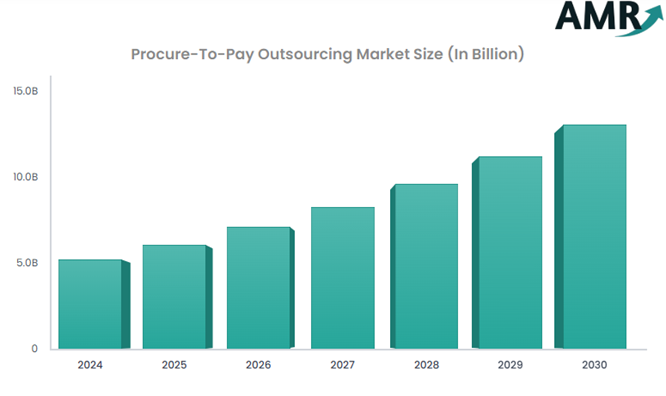
Outsourced P2P teams typically operate with a unified view of procurement requests, invoices, and payment workflows. Instead of transactions being reviewed separately by different departments, the entire procure-to-pay process can be monitored from a single operational framework.
This centralized visibility makes it easier to detect irregular spending patterns, invoice discrepancies, and payment anomalies before they move through the payment cycle.
Another advantage of outsourced procure-to-pay services is the introduction of consistent processes. Structured approval workflows, standardized invoice validation procedures, and stronger segregation of duties reduce the chances of unauthorized purchases or payment errors. These controls strengthen procure-to-pay risk management and help enforce procurement policies more effectively.
Many outsourcing models integrate analytics tools that allow finance teams to monitor procurement data more closely. These tools help identify unusual spending behavior, duplicate invoices, vendor irregularities, or payment patterns that fall outside established norms. Instead of relying solely on periodic reporting, finance leaders gain continuous insight into procurement activity.
Outsourcing also enables ongoing monitoring of procurement and payment transactions. Rather than waiting for month-end reconciliation to detect issues, finance teams can identify anomalies earlier in the procure-to-pay process, allowing them to intervene before financial discrepancies turn into actual cash leakage.
Also Read: Top Finance and Accounting Outsourcing Companies in UK 2026: 10 Key Questions to Ask
For CFOs, improving visibility across the procure-to-pay process is ultimately about protecting working capital and strengthening financial control. By improving oversight and introducing structured workflows, procure-to-pay outsourcing for risk management helps finance leaders identify potential issues earlier in the transaction cycle.
Stronger monitoring of procurement and payment activity allows finance teams to identify unusual transactions, invoice discrepancies, or vendor irregularities before they affect financial outcomes. This proactive approach strengthens overall CFO financial risk management.
Standardized approval workflows and policy enforcement make it easier to maintain procurement discipline. Purchases outside approved supplier contracts or procurement channels can be detected earlier, reducing the impact of uncontrolled spending.
Reducing operational errors and duplicate payments improves the reliability of payment data. This strengthens cash flow forecasting and helps organizations maintain tighter control over working capital.
With clearer visibility into procurement spending patterns, finance leaders can make more informed decisions around supplier management, procurement policies, and budget allocation.
Managing large invoice volumes, payment validations, and procurement oversight can consume significant internal resources. Outsourced procure-to-pay services allow finance teams to shift their focus from operational troubleshooting to higher-value financial planning and strategy.
RELATED CASE STUDY: Accounts Payable Optimisation for a Global Beverage Producer and Distributor
Preventing financial leakage in the procure-to-pay (P2P) process requires stronger controls, better visibility into transactions, and disciplined procurement governance. A few operational practices can significantly reduce risk.
Clear approval hierarchies and defined procurement policies help ensure purchases follow authorized workflows. Strong governance reduces maverick spending and improves control over supplier selection and contract compliance.
Automation helps reduce invoice processing errors by validating invoices against purchase orders and delivery records. Automated checks also help detect duplicate invoices, incorrect payment details, and mismatched transactions before payments are released.
Regular reviews of vendor master data and payment instructions help reduce fraud risk and prevent unauthorized changes to supplier information.
Spend analytics and transaction monitoring tools help identify unusual procurement activity, duplicate payments, and irregular vendor behavior early in the procure-to-pay process.
Many organizations strengthen oversight through procure-to-pay outsourcing, which introduces centralized monitoring, standardized workflows, and stronger financial controls across procurement and payment operations.
For organizations seeking tighter financial control, QX Global Group offers specialized procure-to-pay outsourcing services designed to strengthen visibility and reduce operational risk.
Our P2P solutions help finance teams:
By combining process expertise, automation technologies, and financial analytics, QX helps organizations build more controlled and resilient procure-to-pay operations.
For CFOs focused on stronger financial risk management, improving oversight in the P2P cycle is a critical step toward protecting working capital.
Speak with our experts to explore how QX’s procure-to-pay outsourcing solutions can help your organization detect risks earlier and prevent cash leakage before it impacts financial performance.
FAQs
What are the common procure-to-pay risks that lead to cash leakage?
Several operational gaps within the procure-to-pay (P2P) process can result in financial leakage. These include maverick spending, invoice processing errors, duplicate payments, weak approval controls, and poor vendor data governance. When these issues go unnoticed, they gradually weaken procure-to-pay risk management and make it harder for finance teams to control spending and detect irregular payments early.
How does procure to pay outsourcing help detect financial risks?
Procure-to-pay outsourcing improves visibility across procurement, invoice processing, and payment activities. Outsourced teams typically introduce centralized monitoring, standardized workflows, and analytics tools that make it easier to identify anomalies such as duplicate invoices, unusual vendor activity, or unauthorized purchases. This stronger oversight supports more effective procure-to-pay outsourcing for risk management and helps organizations detect financial risks before they lead to cash leakage.
Why is maverick spending a major cause of cash leakage?
Maverick spending occurs when purchases are made outside approved procurement channels or supplier contracts. These transactions bypass standard approval controls and reduce visibility into spending behavior. Over time, unmanaged purchases weaken procurement governance and make it difficult to maintain consistent procure-to-pay risk management, increasing the likelihood of uncontrolled spending and financial leakage.
How can CFOs prevent cash leakage in the procure-to-pay process?
CFOs can prevent cash leakage in the procure-to-pay process by strengthening approval workflows, improving vendor data governance, and implementing automated invoice validation. Better visibility into procurement and payment transactions also plays a critical role. Many organizations further improve oversight by adopting outsourced procure-to-pay services, which introduce centralized monitoring and stronger operational controls.
What role does P2P automation play in preventing cash flow leakage?
Automation improves control across the procure-to-pay (P2P) process by validating invoices, matching transactions, and detecting anomalies before payments are released. Automated systems help identify invoice processing errors, duplicate invoices, and mismatched purchase orders, allowing finance teams to address discrepancies early and reduce the risk of payment leakage.
Why are CFOs outsourcing procure-to-pay functions for better risk management?
Many organizations are turning to procure-to-pay outsourcing to strengthen financial oversight and reduce operational risk. Specialized providers bring standardized processes, stronger controls, and analytics-driven monitoring that improve procure-to-pay risk management. This allows CFOs to detect spending anomalies earlier, improve compliance, and maintain tighter control over working capital.

Education:
B.Com, PGDCA

Mehboob Rad brings over 12 years of experience in Finance & Accounting, with proven expertise across Record to Report (R2R), Procure to Pay (P2P), and Order to Cash (O2C) processes. At QX, he leads operations spanning UK payroll, billing, and finance for recruitment firms, combining process depth with a sharp eye for financial accuracy and compliance. His leadership style is rooted in empowering teams and driving measurable outcomes for clients across the F&A spectrum.
Expertise: R2R, P2P, O2C, UK Payroll, Pay & Bill for Recruitment, Financial Reporting & Compliance, F&A Team Leadership
Originally published Mar 29, 2026 06:03:53, updated Mar 31 2026
Topics: Finance & Accounting, Procure-to-pay cycle
02 Sep 2026
Hospitality has become one of the most data-rich industries in the world. Every reservation, room sa...
Read More27 Aug 2026
In June 2026, Morgan Stanley and Ridgeback paid £1.045 billion for Metra Living, L&Q’s re...
Read More20 Aug 2026
On a June morning this year, retirement housing found itself in the one room operators would rather ...
Read More13 Aug 2026
When John Lewis walks away from something, the rest of the sector tends to sit up and take notice.&n...
Read More