Topics: Finance & Accounting Outsourcing, Financial Planning & Analysis
Posted on May 28, 2026
Written By Rajen Sachaniya




Board decisions are rarely held back by a lack of reporting. The real problem is that most reporting arrives after the fact.
That gap matters more at board level than anywhere else. Leadership is not just reviewing what happened last quarter. It is weighing expansion, capital allocation, margin pressure, risk exposure, and timing. Historical numbers still matter, but they do not answer the harder question: what happens next if the business moves in one direction instead of another?
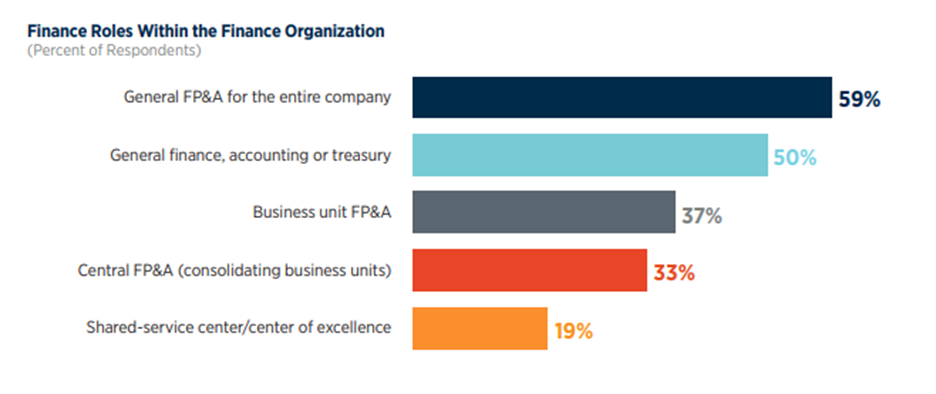
That is where financial planning and analysis services start becoming far more valuable. They give leadership a forward view through forecasting, modelling, and sharper financial visibility. In practice, that is what makes financial planning and analysis (FP&A) so relevant to board discussions today. It helps turn finance from a reporting function into a decision-support function.
At its core, financial planning and analysis (FP&A) is the part of finance that helps the business look ahead, not just look back. It usually covers:
Done well, FP&A connects those activities to real business choices. It gives leadership a clearer view of what is changing, what is driving performance, and what different outcomes could look like before a decision is made.
Board decisions rarely sit inside one clean financial scenario.
They involve trade-offs. Growth versus caution. Investment versus liquidity. Margin protection versus expansion. Timing, risk, and capital all move together. That is why boards need more than static reporting packs. They need strategic financial insights that show how different choices could affect performance, cash flow, and downside exposure.
This is where FP&A services for decision making become especially useful. They help boards assess options with more financial context behind them, rather than relying only on past-period results.
At board level, FP&A matters because it gives leadership something more useful than a historical performance summary. It gives them a way to test choices before those choices harden into commitments.
Boards are rarely deciding between one obvious right answer and one obvious wrong one. More often, they are weighing timing, risk, and trade-offs across a few plausible paths. That is where scenario planning and modelling becomes useful. It helps move the discussion from broad assumptions to something leadership can actually compare.
A board does not need forecasting to be perfect. It needs it to be credible. Better financial forecasting accuracy gives leadership more confidence when it is making calls on growth, funding, cost pressure, or investment timing. Without that, board decisions can start looking financially informed while still resting on weak assumptions.
This is where FP&A becomes more than a planning function. It helps leadership see what is actually driving revenue, margin, cash flow, and profitability, and whether those drivers are strengthening or weakening. That is what makes strategic financial insights valuable in the boardroom. They give context, not just commentary.
Boards do not need more material. They need clearer signal. Better board-level financial reporting helps cut through volume and focus attention on what is changing, where pressure is building, and which issues need a decision rather than another review cycle.
Most major board decisions carry downside as well as upside. FP&A helps bring that downside into the discussion early enough to be useful. It gives leadership a clearer sense of what a decision could cost, where the pressure points sit, and how much flexibility the business really has if conditions change.
A financial plan only becomes strategic when it stays closely tied to what the business is trying to achieve. That is where FP&A services for decision making become especially valuable. They help connect numbers to business priorities in a way that supports a stronger board-level financial strategy.
RELATED BLOG: How Financial Planning and Analysis Solutions Help CFOs See Around Corners
A CFO may already understand current performance. What board-level decision making demands, though, is a stronger view of what could happen next and what different choices might do to the business.
A CFO needs more than reliable numbers. They need enough forward visibility to challenge assumptions, pressure-test proposals, and guide the discussion with confidence. That is where financial planning and analysis services start adding real value. They make finance more useful in the room, not just more accurate after the fact.
Most board decisions cut across multiple parts of the business at once. Growth affects cost. Investment affects cash. Hiring affects margins. That is why enterprise financial forecasting matters. It gives the CFO a more connected financial view instead of a set of isolated forecasts.
One of the harder parts of executive decision-making is that every function tends to see only its own slice of the picture. FP&A helps pull those views together. It gives finance a better line of sight across the business, which makes board conversations more grounded and less fragmented.
This is where FP&A starts becoming genuinely strategic. Stronger modelling, cleaner assumptions, and sharper forecasting make it easier for the CFO to evaluate options, challenge optimism where needed, and bring more discipline to long-range planning. That is what strengthens CFO strategic decision making in a practical sense.
Not every business needs a larger in-house FP&A team. Many just need better forecasting, better modelling, and faster access to insight when leadership is making a decision.
That is one reason financial planning and analysis outsourcing is getting more attention. The internal finance team may already be capable, but much of its time is often tied up in reporting cycles, budgets, month-end demands, and routine business support. What gets squeezed is the deeper work — scenario testing, sharper forecasting, and decision-ready analysis for leadership.
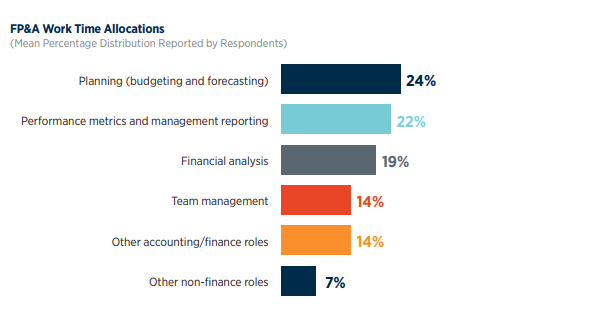
There is also a capability issue. Strong FP&A is not just about adding people. It requires modelling discipline, planning frameworks, business context, and the ability to turn numbers into recommendations. That can take time to build internally. For many businesses, outsourced FP&A becomes a more practical way to strengthen board and executive support without having to build the entire capability from scratch.
Cost matters too, but not in the simplistic “outsourcing is cheaper” sense. The real benefit is often flexibility. A business can access stronger FP&A services without carrying the full fixed cost of a larger internal structure, especially when board reporting, scenario work, and forecasting needs are becoming more demanding.
In that sense, businesses are not adopting outsourced support just to produce more models. They are doing it because they need better answers, faster, and with more confidence behind them. That is what makes FP&A services for decision making a strategic support layer rather than just a finance add-on.
RELATED BLOG: Top Outsourced Financial Planning and Analysis Services Companies USA: What Businesses Should Know?
FP&A has more impact at board level when it is built around how decisions are actually made, not just how finance likes to report.
For businesses looking to strengthen board-level decision support, QX Global Group provides specialized financial planning and analysis services built around forecasting, modelling, and strategic visibility.
That includes support across:
The goal is better financial support at the point where leadership is making strategic choices. Talk to QX’s FP&A experts to explore how stronger forecasting, modelling, and reporting can support more confident board-level decision making.
Also Read: Top Finance and Accounting Outsourcing Companies in USA — A C-Suite Buyer’s Playbook
FP&A services for decision making support the board by giving leadership a forward view, not just a record of past performance. They help test assumptions, compare strategic options, and show how different decisions could affect growth, cash flow, margin, and risk.
Scenario planning and modelling helps leadership move beyond one base-case view of the business. It allows executives to assess upside, downside, and trade-offs before committing capital or changing direction, which makes board discussions more grounded and more decision-ready.
Better financial forecasting accuracy gives boards more confidence in timing, funding, and risk. Weak forecasting can make a strategy look sound on paper while hiding pressure underneath. Stronger forecasting helps leadership make sharper calls on investment, expansion, and cost management.
FP&A teams give CFOs a clearer view of what is driving revenue, margin, cost, cash flow, and performance across the business. That makes CFO strategic decision making more informed, especially when leadership needs to evaluate options, challenge assumptions, or respond quickly to changing conditions.
Many businesses are adopting outsourced FP&A because they need better modelling, stronger forecasting, and faster decision support without building a larger in-house structure. Financial planning and analysis outsourcing gives leadership access to more advanced capability while keeping the function flexible.
The best way is to build financial planning and analysis (FP&A) around the questions the board is actually asking. That means focusing on capital allocation, growth timing, risk, margin pressure, and long-range planning instead of treating FP&A as just a reporting layer.

Education:
CMA, B.Com

Rajen Sachaniya is a CMA with over 16 years of experience in finance, accounting, FP&A, and commercial strategy. At QX, he plays a pivotal role in shaping financial direction through budgeting, policy design, and governance. His expertise spans treasury, taxation, legal, compliance, payroll, and multi-currency consolidation. Rajen is known for aligning cross-functional teams across operations, sales, recruitment, and support—ensuring strategic coherence and long-term business growth.
Expertise: Finance & Accounting, FP&A, Budgeting, Commercial Contracts, RFPs, Financial Governance, Cross-Functional Leadership
Originally published May 28, 2026 04:05:59, updated May 29 2026
Topics: Finance & Accounting Outsourcing, Financial Planning & Analysis
15 Sep 2026
Every compliance obligation a finance team meets requires data. Be it tax filings, statutory reporti...
Read More14 Sep 2026
A control failure doesn’t announce itself. It hides in the one routine a single trusted person own...
Read More11 Sep 2026
Picture a 90-unit association collecting around $290 a month per home. The books live in a spreadshe...
Read More10 Sep 2026
Late March 2026. Boardrooms across UK hospitality did the same sum. Days before 1 April, the n...
Read More