Topics: Finance & Accounting Outsourcing, Order-to-cash cycle
Posted on August 10, 2026
Written By Rajen Sachaniya




Handing your order-to-cash cycle to an outside partner is not like buying software or picking a stationery supplier. You are giving someone else control of your billing, collections, and a large part of how your customers experience paying you. Get it right and cash comes in faster with less effort. Get it wrong and the fallout lands in places that are slow and expensive to repair.
The odds are not as comforting as most sales decks suggest. A big chunk of outsourcing relationships fail to deliver what was promised: mainly due to vague service commitment, ownership that goes fuzzy at the handoffs, and transitions nobody planned properly. By the time those show up, they show up as rising Days Sales Outstanding (DSO), disputes that drift, and customers who are quietly irritated.
That’s why picking among order to cash service providers deserves more scrutiny than a standard vendor decision. The warning signs are usually there early, if you know what to look for. This is a guide to the ones worth taking seriously before you sign anything.
It’s tempting to treat O2C outsourcing as an efficiency play: move the work somewhere cheaper, tick the cost box, move on. But the cycle you’re handing over sits right on top of the two things every finance leader is judged on, cash flow and working capital.
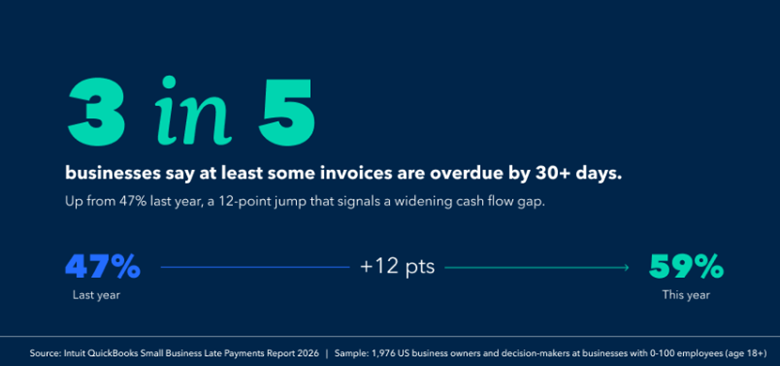
Late payment has stopped being a quiet back-office nuisance. Most finance leaders now report chasing overdue B2B payments as a regular drain on the week. When the partner running your collections is slow & inconsistent, that pressure reflects in liquidity, forecasting, and in how confidently the business can plan.
So the real question isn’t whether order to cash outsourcing can save money. It usually can. The question is whether the provider can protect and improve the cash position while doing it. A weak one will trade a slightly lower cost for a slower, messier cycle, which is a poor deal in any market and a dangerous one when cash is tight. Choosing well is really about cash flow optimization, not just cost reduction.
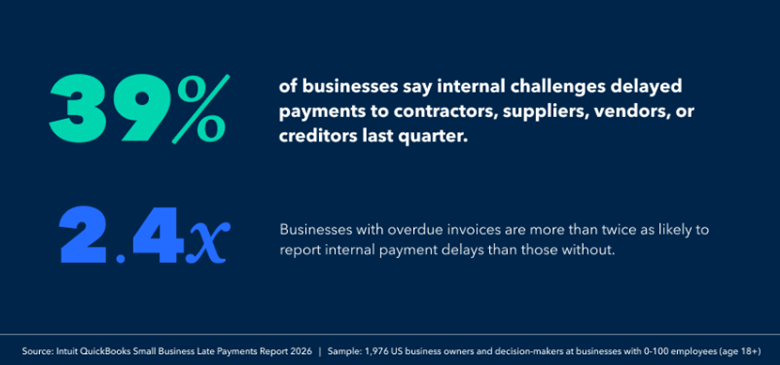
Most bad provider decisions start before any provider is in the room. They start with a business that hasn’t decided what it actually wants fixed. Before you shortlist anyone, get clear on:
Go into the market without this clarity and you’ll end up buying whatever the slickest sales deck is selling. Go in with it, and you can hold every provider against the same standard, which is exactly where the warning signs start to separate the strong ones from the rest.
RELATED BLOG: Is your in-house O2C function costing more than you think? See the breakdown.
Once you know what you’re looking for, the warning signs tend to surface early, usually in how a provider talks about the work before any contract exists. These are the ones worth slowing down for when you compare order to cash outsourcing providers:
1. They rush past your current process. A provider that wants to talk implementation before it understands your existing systems, backlogs, and workflows is telling you something. If nobody’s asking how things work today, don’t expect a smooth shift to how they’ll work tomorrow.
2. The SLAs are vague. “Timely follow-up” and “best efforts” sound reassuring but mean nothing. Any provider offering serious order to cash services should be willing to put specific, measurable numbers in the agreement.
3. The price looks too clean. An attractive headline rate often hides setup, QA, reporting, and staff-replacement fees that appear once you’ve signed. Ask what isn’t included. If the answer is fuzzy, the real cost is higher than the quote.
4. The technology story is thin. If a provider leans on manual effort and can’t explain how it integrates with your ERP or where automation actually fits, you’re buying more hands, not a better cycle. That rarely moves DSO for long.
5. Everything is generic. O2C isn’t one process. O2C service providers with no sector-specific references, and only one-size-fits-all answers, haven’t done your kind of work before.
6. Ownership blurs at the handoffs. Most failures happen in the gaps: a disputed invoice, an overdue credit review, an unapplied receipt, where accountability quietly disappears. Ask exactly who owns each exception. Hesitation here is a real warning.
7. There’s no transition or exit plan. A “big bang” cutover with no phased plan, unclear data ownership, or painful exit terms is how good-on-paper deals become traps. Strong outsourced order to cash services come with a clear transition approach, and terms that let you leave cleanly if you ever need to.
Once you’ve filtered the obvious misses, it helps to hold the shortlist of order to cash service providers against the same set of dimensions, so you’re comparing capability rather than sales polish. Six things tend to predict whether an engagement actually works:
The point isn’t to score every provider to two decimal places. It’s to make sure the decision rests on how they’ll actually run the cycle, which is where good order to cash management services either hold up or fall apart. Strong order to cash outsourcing answers all six with specifics; a weaker option keeps reaching for generalities.
RELATED CASE STUDY: Want proof that finance automation works? Start here – read the case study.
It’s easy to build a list of what to avoid. Harder, and more useful, is knowing what a genuinely good partner looks like. The strongest order to cash outsourcing providers tend to share a few traits, and they show up in how the cycle runs.
A transactional provider keeps the work moving. A future-ready one keeps the cash moving, and gives you the visibility to see it happening. That’s where order to cash process outsourcing stops being a cost line and starts protecting the financial health of the business.
Rather than adding hands to chase payments, QX Global Group takes ownership of the full cycle so the stages that usually create delay stop working against each other. That support typically spans:
Automation sits on top of that, applied where the process is already sound rather than bolted onto a broken one, with transparent SLAs and a phased transition that protects cash collection along the way. The result is exactly what the red flags warn you to look for: a partner judged on cash conversion, not transaction volume.
Talk to QX Global Group about building an order-to-cash operation that brings DSO down and keeps it there.
A capable partner should explain exactly where automation fits across invoice processing, collections, and cash application, how it integrates with your ERP, and what stays manual. If the answers are vague or lean heavily on adding people, you’re looking at extra hands rather than a genuinely better cycle.
The right vendors treat transition as a discipline, not an afterthought. Look for a phased migration plan, clear knowledge transfer, and safeguards that keep cash collection running throughout the move. Experienced order to cash outsourcing providers should be able to walk you through exactly how they’ve handled provider-to-provider transitions before, week by week.
Because O2C isn’t a generic process. Billing and collections in recruitment look nothing like manufacturing, healthcare, or e-commerce, each has its own terms, disputes, and customer dynamics. An order to cash service provider with real sector experience, backed by references from your industry, will get to results faster than one offering one-size-fits-all answers.
Strong order to cash services work on the whole cycle, not just collections. Clean, timely invoicing, consistent follow-up, fast dispute resolution, and prompt cash application close the gaps where cash usually gets stuck. As those gaps close, DSO comes down and cash converts faster, which is where the real cash flow optimization happens.
A weak partner trades a slightly lower cost for a slower, messier cycle. The fallout shows up as rising DSO, disputes that drift, strained customer relationships, and unreliable reporting. Because order to cash outsourcing sits directly on cash flow and working capital, those problems affect the whole business, not just the finance team.
Ask whether capacity flexes with peaks and growth without renegotiating every time, how cleanly the provider integrates with your systems, and whether they can walk through their controls and data handling without hesitation. Reliable order to cash management services should scale with the business, connect to your ERP, and meet clear security and compliance standards.
Look for a partner that owns the full cycle rather than isolated tasks, from credit and billing through collections management, cash application, dispute resolution, and reporting. End-to-end outsourced order to cash services remove the handoff gaps between stages, which is exactly where most delay and lost cash tend to hide.
QX takes ownership of the full order-to-cash cycle, closing the gaps between billing, collections, disputes, and cash application that usually cause delay. With deep sector experience, transparent SLAs, a phased transition approach, and automation applied where it holds, QX helps US businesses bring DSO down and improve cash conversion in a way that lasts, which is why finance leaders choose it as their order to cash service provider.

Education:
CMA, B.Com

Rajen Sachaniya is a CMA with over 16 years of experience in finance, accounting, FP&A, and commercial strategy. At QX, he plays a pivotal role in shaping financial direction through budgeting, policy design, and governance. His expertise spans treasury, taxation, legal, compliance, payroll, and multi-currency consolidation. Rajen is known for aligning cross-functional teams across operations, sales, recruitment, and support—ensuring strategic coherence and long-term business growth.
Expertise: Finance & Accounting, FP&A, Budgeting, Commercial Contracts, RFPs, Financial Governance, Cross-Functional Leadership
Originally published Aug 10, 2026 07:08:53, updated Aug 10 2026
Topics: Finance & Accounting Outsourcing, Order-to-cash cycle
07 Aug 2026
Most companies make this call by putting one salary next to one monthly fee and going with the small...
Read More04 Aug 2026
For CFOs, the decision to outsource accounts receivable is rarely just about collections capacity. I...
Read More03 Aug 2026
Community-level EBITDA is one of the most familiar numbers in a senior living board pack. It is clea...
Read More03 Aug 2026
The CFO’s job has grown faster than the function beneath it. Strategy, technology, capital all...
Read More