Topics: Finance & Accounting Outsourcing, Order-to-cash cycle
Posted on August 11, 2026
Written By Rajen Sachaniya




It’s the last Thursday of the month, and a finance director somewhere is staring at two numbers that refuse to agree.
On paper, it’s been a good month. The sales are in, the invoices have gone out, the ledger looks healthy. But the bank balance tells a different story, and payroll clears in six days. So begins the familiar ritual: the chasing calls, the “just circling back” emails, the polite fiction that the cheque really is in the post.
Sound familiar? You’re in good company.
Right now, 38 businesses shut their doors every single day simply because they weren’t paid on time. Not because the work was poor. Not because demand dried up. Purely because the cash they’d already earned was sitting on somebody else’s ledger.
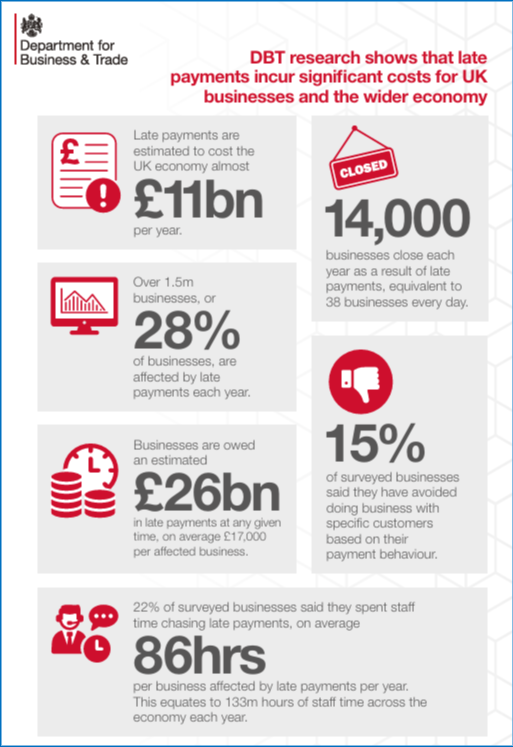
This is the world order to cash lives in, and it’s why the market for providers has become so crowded. They all promise the same thing: faster collections, cleaner books, lower DSO.
So this blog cuts through that noise. It shows you what genuinely separates the best providers from the rest, and how to pick the right one for your business.
At its simplest, order to cash is the full journey from a customer placing an order to the money landing in your account. It runs through seven stages:
Nothing new there. Every finance leader could sketch it on a napkin.
Here’s what has changed. For years, order to cash service providers were hired to run that cycle, to process the transactions and keep the ledger tidy. Fair enough. But the bar has moved. The job now is to own cash conversion across the whole cycle, not just push paperwork through it.
It’s a subtle shift, but an important one. And it’s quietly separating the top order to cash service providers in UK from the ones simply keeping the wheels turning.
Let’s be honest about why this is happening now.
For most finance teams, the maths has simply stopped working. Nearly half of all UK invoices are settled late, and the average business waits 27 days beyond terms to actually see the money. That’s not a collections problem you can hire your way out of one recruit at a time.
So the thinking has changed. Order to cash process outsourcing used to be a cost play, a way to trim the headcount and tidy the back office. Today it’s a working-capital play. The question in the boardroom isn’t “how do we do this cheaper?” It’s “how do we get our cash in faster?”
That’s a very different brief, and it’s reshaping what companies want from O2C outsourcing providers. Three things are driving the shift:
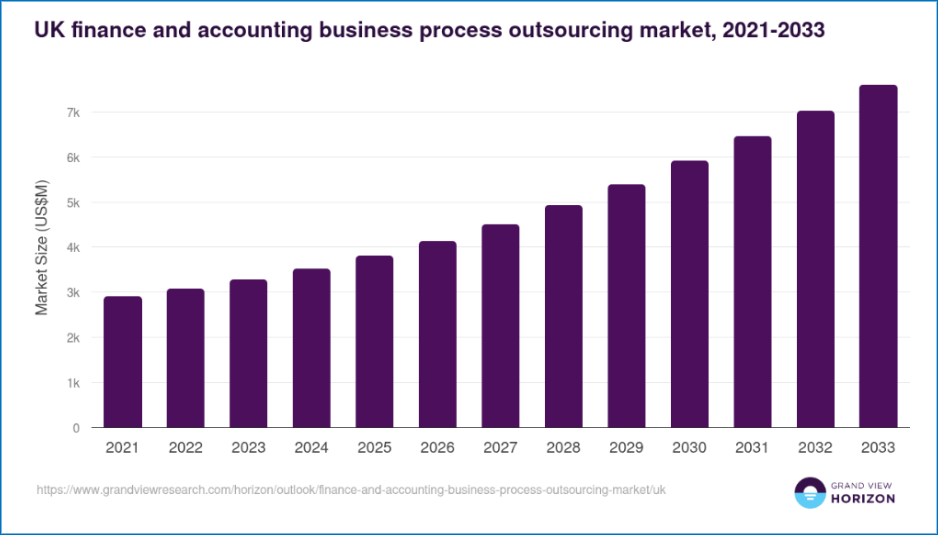
Which is exactly why order to cash outsourcing companies are fielding more C-suite calls than ever.
Here’s the thing most sales decks won’t tell you.
The clever, automated bit of order to cash, the clean invoices, the payments that match first time, the tidy dunning emails, has quietly become a commodity. Nearly every provider can do it. It’s the visible 80%, and it all looks identical on a spec sheet.
So if it isn’t the technology, what actually separates one provider from another?
The messy 20%.
The disputed invoice. The short payment with no explanation. The deduction that needs a human to make a judgement call. This is the awkward, unglamorous end of the cycle, and it’s precisely where most outsourcing programmes quietly run aground. They automate the easy wins, the numbers improve for a quarter, and then everything plateaus, because the hard cases were never really solved.
And the prize for cracking it is anything but trivial. Hackett’s research puts an 18-day DSO gap between the top performers and everyone else, which on a full ledger is real money sitting idle.
That plateau is the whole game. The best order to cash outsourcing providers aren’t the ones with the shiniest automation. They’re the ones who take ownership of the exceptions, the bits that don’t fit neatly into a workflow.
It’s also the real test of genuine end to end order to cash outsourcing services. Owning the easy 80% is table stakes. Owning the 20% is what separates the serious order to cash service providers from the rest.
One practical tip for your next pitch: ask a provider to walk you through a single messy deduction, start to finish. How they answer will tell you more than any slide deck ever could.
If your DSO’s been creeping up and you’re not quite sure why, this one’s worth a read. It breaks down how outsourcing the order-to-cash cycle actually brings those numbers down.
Right, so what should you actually be pressure-testing when you sit across the table from O2C outsourcing providers? Forget the glossy capability matrix for a moment. Run each function through one simple question: what happens when it isn’t clean?
Get those five right, and the awkward 20% starts to shrink.
Let’s deal with the obvious bit quickly, because it matters less than the sales pitch suggests.
Yes, any provider worth shortlisting should slot neatly into your ERP, whether that’s SAP, Oracle, Microsoft Dynamics or NetSuite, or a lighter setup on Xero or Sage. Fine. But here’s the uncomfortable truth: integration is now the price of entry, not a point of difference. Everyone can plug in. Very few do anything clever once they’re there.
So the real question isn’t “can you connect?” It’s “what do you add once you’re connected?”
A good order to cash outsourcing solution doesn’t rip out your systems and start again. It sits on top of what you already run, then layers on the judgement, the exception-handling, and the human oversight that software alone can’t manage. Bolt automation onto a broken process and you simply get a faster mess.
Also Read: Top Finance and Accounting Outsourcing Companies in UK
That’s the distinction to listen for. The weakest order to cash services promise seamless integration and stop there. The strong ones treat integration as the starting line, and go to work on the awkward stuff that follows.
This part is easy to wave through, yet it’s the bit that bites hardest when it goes wrong.
Compliance isn’t standing still. The Prompt Payment Code and statutory reporting on payment practices now actively penalise late processing. So the questions worth asking are simple:
There’s a bigger shift coming. Mandatory e-invoicing arrives from 2029, and e-invoices already get paid five to seven days sooner than paper or manual ones. The order to cash outsourcing companies worth your time are building for that now, not scrambling later.
Then there’s scale. One blunt question tells you most of what you need:
Reliable order to cash management services should stretch with the business, plug cleanly into your systems, and hold the line on security as you grow. If they can’t, you’ll feel it at exactly the wrong moment.
Most bad O2C decisions aren’t dramatic. They’re quiet, and you only notice the cost a few quarters later. Here are the ones that catch people out, and what to do instead.
And do benchmark honestly before you sign. DSO runs 50 to 65 days in professional services and 65 to 80 in construction, and public-sector clients push it higher across every sector. If a provider promises to halve yours overnight, be sceptical.
Get this right and the shortlist narrows quickly. The best order to cash outsourcing providers won’t just tell you what they’ll fix. They’ll show you how they’ll measure it.
So where does QX Global Group fit into all this? Simply put, on the right side of the 80/20.
Rather than throwing more hands at chasing payments, QX takes ownership of the whole cycle. The stages that usually trip each other up stop working against you.
That means billing and invoicing built for accuracy, structured credit control and collections, dispute resolution with clear ownership, clean cash application, and real-time reporting on DSO and ageing.
Automation sits on top of all that, applied where the process is already sound rather than bolted onto a broken one. In other words, genuine end to end order to cash outsourcing services, not a patchwork of isolated tasks.
And the numbers that follow tend to look like this:
That’s the payoff of getting the model right, rather than just the price.
It’s a straightforward reason so many UK finance leaders rank QX among the top order to cash service providers in UK: outsourced order to cash services judged on cash conversion, not transaction volume.
Every provider can now handle the clean, easy 80% of order to cash. That part’s a given. The ones worth your time are the ones who quietly own the 20% where cash actually gets stuck.
So when you’re weighing up order to cash services, don’t be dazzled by the automation demo. Ask the awkward questions. Push on the exceptions. Look for a partner measured on how fast your cash lands, not how many transactions they process.
Get that right, and DSO doesn’t just dip for a quarter. It stays down.
Curious how QX approaches the messy end of order-to-cash? Have a chat with the team, no hard sell, just a straight conversation about your cycle.
Someone who owns the whole cycle, not just the easy bits. The best order to cash service providers handle the messy exceptions too, and judge themselves on how fast your cash lands.
The full cycle: invoicing, credit control, collections, cash application, dispute handling and reporting. The top order to cash service providers in UK also add smart automation and plug straight into your ERP.
By closing the gaps where delay hides. Tighter invoicing, structured collections and quick dispute resolution mean order to cash outsourcing companies turn revenue into cash faster, so DSO drops and stays down.
Money lands sooner, so less cash sits idle on the ledger. Good order to cash management services also clear unbilled and unallocated cash, giving you a clearer view of your liquidity.
Ask them to walk you through one messy deduction, start to finish. Then check how they measure DSO, whether they flex with your peaks, and how tight their security is.
Watch the outcomes, not the activity. DSO against terms, dispute resolution time, and unapplied cash tell you the truth. Good outsourced order to cash services show you all of it in real time.
Because QX owns the whole cycle and closes the gaps that usually cause delay. Automation where it counts, clear SLAs, and a simple focus on getting your cash in faster.

Education:
CMA, B.Com

Rajen Sachaniya is a CMA with over 16 years of experience in finance, accounting, FP&A, and commercial strategy. At QX, he plays a pivotal role in shaping financial direction through budgeting, policy design, and governance. His expertise spans treasury, taxation, legal, compliance, payroll, and multi-currency consolidation. Rajen is known for aligning cross-functional teams across operations, sales, recruitment, and support—ensuring strategic coherence and long-term business growth.
Expertise: Finance & Accounting, FP&A, Budgeting, Commercial Contracts, RFPs, Financial Governance, Cross-Functional Leadership
Originally published Aug 11, 2026 09:08:59, updated Aug 13 2026
Topics: Finance & Accounting Outsourcing, Order-to-cash cycle
16 Oct 2026
Multifamily accounts payable can look stable until someone asks whether the process is actually impr...
Read More15 Oct 2026
Market signals often reach the business before they reach the forecast. Sales, demand, staffing or i...
Read More14 Oct 2026
Most multifamily finance teams have seen some version of this. A new ERP gets approved, an AP automa...
Read More14 Oct 2026
A new PBSA asset can add hundreds of beds to a portfolio. It can also add hundreds of daily finance ...
Read More