Topics:
Posted on February 07, 2023
Written By Siddharth Sujan




As businesses navigate the challenges of a rapidly changing marketplace, optimizing operational processes has become crucial for staying ahead of the competition. One area that holds significant potential for improvement is accounts payable. Historically, the accounts payable process has been hindered by inefficiencies arising from manual data entry, paper-based documentation, and reliance on check payments.
Over the last few years, the way organizations manage their invoices, payments, and financial records has undergone a massive change. From automation to real-time visibility, technology is changing the accounts payable transformation game, and executives who embrace these changes will be better positioned to succeed in enabling accounts payable digital transformation.
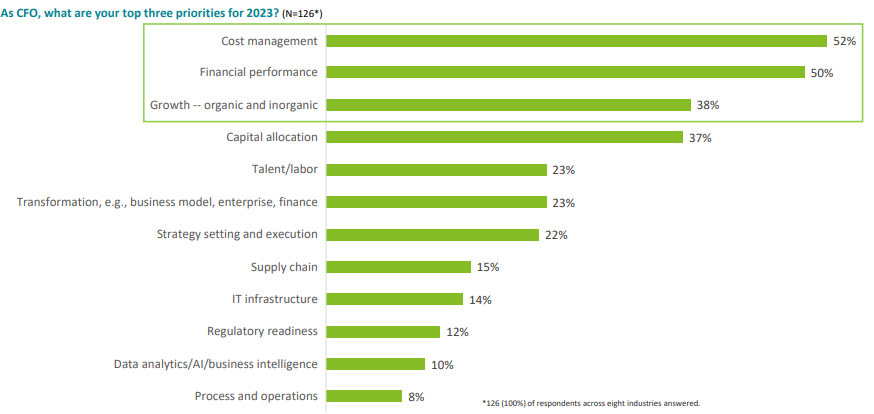
Accounts payable digital transformation refers to the shift from manual, paper-driven invoice and payment management to fully automated, technology-enabled workflows. Instead of relying on spreadsheets, physical invoices, or email approvals, finance teams use cloud platforms, AI, and data analytics to streamline every step of the accounts payable process.
Accounts payable transformation is more than just a technological upgrade; it’s about reimagining how AP functions contribute to overall business performance. Through accounts payable automation, organizations gain real-time visibility into spending, improve compliance, reduce processing costs, and accelerate payment cycles. In essence, accounts payable process transformation turns AP from a reactive cost center into a proactive, data-driven contributor to financial strategy and growth.

The widespread implementation of digital technology is revolutionizing financial transactions by bringing new levels of efficiency, security, and accuracy. This new wave of accounts payable automation has opened the door for organizations to modernize and streamline their financial operations while ensuring compliance and transparency across every transaction.
RELATED BLOG: Want to learn about the best accounts payable automation software for 2023 that can help streamline payables for your business? Check out this list now!
Let’s explore some key ways in which accounts payable digital transformation is helping transform the landscape:
Digital transformation has brought a paradigm shift to the age-old supplier onboarding process. With advanced technology solutions, organizations can now onboard new suppliers with ease and precision, eliminating the need for manual processes that consume time and resources. By embracing accounts payable transformation, companies are able to build stronger supplier relationships, improve speed and accuracy, and ultimately deliver greater strategic value to their organization.
The advent of electronic payment technology has revolutionized the payment landscape for many accounts payable departments. The ability to make instant payments to suppliers and vendors has replaced the manual, time-consuming check payment methods of the past. This shift to electronic payments has resulted in a more efficient, secure, and error-free payment system, leading to improved cash flow management and reduced costs.
By leveraging the power of digital technologies, organizations now have the ability to gain real-time visibility into their accounts payable process – a true game-changer that was almost unimaginable in the traditional AP function. With real-time visibility into payments, invoices, and other critical data, executives can gain a 360-degree view of their financial operations. This enables organizations to make informed decisions, respond to market changes with speed and agility, and foster strong supplier relationships through efficient communication and dispute resolution.
The integration of cloud and mobile technologies has also played a key role in transforming the way organizations manage their accounts payable processes. With cloud-based solutions and mobile apps, finance teams can access their financial records, payments and invoices from anywhere, at any time. This not only helps streamline workflows but also eliminates the need for expensive hardware and software. This mobility also enables organizations to be more agile and competitive, improving their response to changing market conditions and overall efficiency.
Over the course of the last few years, big data and advanced analytics have brought about new perspectives in accounts payable processes. The utilization of analytics tools empowers organizations to uncover hidden trends and identify areas for improvement, enabling them to make data-driven decisions that drive cost savings, reduce payment processing times, and enhance the accuracy of financial reports. The adoption of a data-focused approach to accounts payable management significantly contributes to the competitiveness of today’s organizations.
RELATED CASE STUDY: One of the largest manufacturers of metallic aerospace parts in Europe reached out to QX with the aim of optimizing their accounts payable. Read the case study to find out how we worked with the client to enable end-to-end digital transformation.
The digital transformation of accounts payable processes holds immense potential, but it also brings with it a range of challenges that organizations must overcome. One of the biggest hurdles in this process is data integration. Merging data from different sources into a seamless, unified system requires specialized tools and processes. Organizations must ensure that the data they are working with is accurate and reliable.
Employees are often comfortable with traditional methods and processes and may resist change to embrace new technologies and workflows. Security is another crucial aspect of accounts payable processes and must be addressed as part of any accounts payable process transformation effort. As the reliance on digital technologies grows, organizations become more vulnerable to security threats. Protecting sensitive financial information and compliance with regulations during transactions is crucial to prevent potential data breaches and unauthorized access to confidential information.
Finally, cost is another challenge that organizations face in digital transformation of accounts payable processes. Implementing AP transformation technologies and processes can be expensive, and organizations must weigh the costs and benefits carefully to determine the best approach for their specific needs.
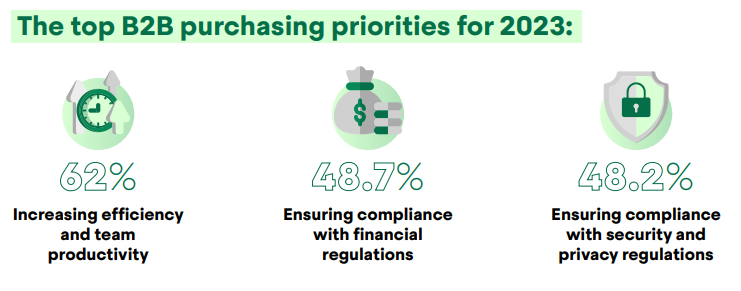
By partnering with a trusted provider, organizations can benefit from their expertise & experience in implementing accounts payable automation technologies & processes and overcome the challenges of digital transformation in accounts payable processes.
QX Global Group is a leading Consulting, Technology, and Business Process Management (BPM) company that provides comprehensive business solutions. With a legacy of excellence spanning over two decades, we have partnered with businesses across industries to optimize their accounts payable processes.
Our team of AP transformation experts is adept at working with all industry-standard tools and can even incorporate any additional accounts payable automation tools that might suit your organizational needs better. We approach each engagement as a unique partnership, taking the time to understand your requirements and implement solutions that are tailored to your specific needs.
Get in touch with us today to start your journey towards a more efficient and effective accounts payable function.
Accounts payable digital transformation is vital because it helps organizations eliminate manual inefficiencies, reduce processing costs, and gain real-time visibility into financial operations. By digitizing AP workflows, companies can automate invoice approvals, strengthen vendor relationships, and enhance compliance while freeing finance teams to focus on strategic priorities instead of routine data entry.
While accounts payable transformation brings efficiency and accuracy, it can also pose challenges such as integrating legacy systems, ensuring data security, and managing change across teams. Many organizations also face resistance to adopting automation technologies or struggle to define clear transformation roadmaps. Partnering with experienced specialists helps overcome these challenges through structured implementation and training.
Modern accounts payable automation solutions can handle repetitive tasks such as invoice data capture, purchase order matching, approval routing, exception management, and payment scheduling. Automation minimizes human error, accelerates processing times, and provides greater transparency over the full AP cycle, ultimately improving cash flow and vendor satisfaction.
AP automation leverages technologies like Optical Character Recognition (OCR), Robotic Process Automation (RPA), Artificial Intelligence (AI), and Machine Learning (ML). These tools enable faster invoice processing, automated exception handling, predictive analytics, and real-time payment tracking. Cloud-based systems also play a critical role by integrating AP with ERP and procurement platforms for seamless data flow.
Yes. Accounts payable outsourcing services can play a pivotal role in accelerating digital transformation by providing access to automation technology, domain expertise, and scalable delivery models. Accounts payable outsourcing companies help standardize workflows, implement AI-driven tools, and manage digital platforms, allowing businesses to achieve transformation goals faster and more cost-effectively.
QX Global Group is a trusted partner for accounts payable digital transformation, combining deep process expertise with cutting-edge automation technology. As an experienced provider of finance and accounting outsourcing solutions, QX helps businesses design tailored transformation strategies, deploy intelligent AP automation tools, and ensure measurable improvements in efficiency, accuracy, and compliance.

Education:
B.A. - Mass Communication

Expertise: Finance & Accounting Thought Leadership, Transformation & Operating Model Storytelling, CFO & Executive-Level Content Strategy, Outsourcing, Shared Services & Global Delivery Narratives
Originally published Feb 07, 2023 05:02:14, updated Oct 23 2025
Topics:
16 Sep 2026
The longer a critical role remains vacant, the greater the impact on productivity, revenue, customer...
Read More15 Sep 2026
Every compliance obligation a finance team meets requires data. Be it tax filings, statutory reporti...
Read More14 Sep 2026
A control failure doesn’t announce itself. It hides in the one routine a single trusted person own...
Read More11 Sep 2026
Think about your last successful hire. How many people were involved before that candidate joined th...
Read More