Topics: Accounts Receivable Automation, Accounts Receivable Process
Posted on February 09, 2026
Written By Pratik Bhatt




Many UK firms are reporting steady revenue growth in 2026. Order books are fuller. Topline performance looks stable. Yet beneath that surface, accounts receivable days are rising.
This disconnect is not unusual. Revenue reflects what has been earned. Cash reflects what has actually been collected. When credit terms stretch, disputes multiply, or billing slows, the gap between the two widens quietly.
For finance leaders, this is where liquidity pressure begins. A longer Days Sales Outstanding (DSO) cycle does not always show up immediately in profit, but it alters working capital, forecast confidence, and funding flexibility. Lenders and boards are paying closer attention to the accounts receivable days ratio, especially where cash flow slowdown despite revenue growth becomes visible.
This article examines the operational drivers of DSO growth in UK firms in 2026 and outlines how finance teams can regain control through stronger accounts receivable management, improved visibility, and disciplined process design.
Accounts receivable days measure the average number of days it takes a business to collect payment after issuing an invoice. It is commonly referred to as days sales outstanding or accounts receivable days sales outstanding.
In simple terms, it answers one question: how long does it take to convert revenue into cash?
The metric is typically calculated using the accounts receivable days ratio, which compares outstanding receivables to average daily revenue. When that ratio rises, it indicates that cash is being collected more slowly. In practical terms, it reflects the days to collect accounts receivable across the customer base.
Strong performance in this metric suggests efficient collections, accurate billing, and disciplined follow-up. Weak performance often points to underlying operational issues. These may include invoice disputes and deductions, dispute-related payment delays, stretched credit terms, or limited AR visibility and reporting.
Rising accounts receivable days rarely stem from one single failure. They are usually the result of structural shifts across credit, billing, and collections.
In competitive sectors, longer payment windows are increasingly used as a commercial lever. Thirty days becomes forty-five. Forty-five quietly becomes sixty.
While revenue grows, the cash conversion cycle stretches. The impact on days sales outstanding is gradual but cumulative. When extended terms are granted without tighter monitoring, the accounts receivable days ratio rises even if customers eventually pay.
Invoice disputes and deductions have become more frequent, particularly where contracts are complex or pricing varies across transactions.
Minor discrepancies can lead to partial payments or withheld balances. These dispute-related payment delays extend the effective days to collect accounts receivable, even when the commercial relationship remains intact. Over time, unresolved disputes become a structural driver of DSO growth.
Revenue may be recognised on time, but invoices are not always issued promptly. Manual approval cycles, documentation gaps, or delayed billing runs create lag before the collection clock even starts.
When billing discipline weakens, the downstream impact on accounts receivable management is immediate.
As businesses grow, receivables often become fragmented across systems, regions, or customer segments. Without consolidated AR visibility and reporting, follow-ups become inconsistent and risk signals are missed.
This fragmentation is one of the most common operational drivers of DSO growth. It reduces early intervention and allows overdue balances to accumulate before corrective action begins.
The rise in accounts receivable days is not occurring in isolation. It reflects broader economic and sector-specific pressures across the UK.
In 2026, managing accounts receivable management effectively is no longer about collections volume alone. It is about preserving financial stability in an environment where liquidity pressure can build quietly.
When accounts receivable days climb, the impact is rarely visible in revenue first. It appears in timing.
Rising accounts receivable days sales outstanding therefore affect more than collections metrics. They shape funding flexibility, investment capacity, and lender perception.
In 2026, rising accounts receivable days are not just a collections issue. They reflect operational strain across the receivables cycle. The most common pressure points include:
Revenue growth does not automatically mean larger AR teams. As volumes increase, follow-up cadence weakens and prioritisation becomes inconsistent, affecting overall accounts receivable management discipline.
Invoice disputes and deductions now require more validation, documentation, and cross-team coordination. Without defined ownership, dispute-related payment delays quietly extend the days to collect accounts receivable.
When ageing, dispute logs, and customer exposure data sit across multiple systems, AR visibility and reporting suffer. Delayed insight leads to delayed intervention, one of the key operational drivers of DSO growth.
In a tighter credit environment, previously reliable customers may stretch terms unexpectedly. Without proactive monitoring, days sales outstanding rise before risk is formally recognised.
When reporting is retrospective rather than real-time, finance teams spend time explaining rising accounts receivable days ratio instead of correcting root causes.
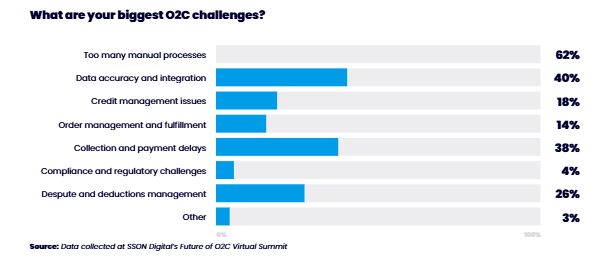
Rising accounts receivable days have forced finance teams to move from reactive chasing to structural correction. The response in 2026 is more operational than cosmetic.
Leading teams are implementing segmented follow-up strategies rather than uniform reminder cycles. High-risk accounts receive earlier intervention. Clear escalation paths reduce ambiguity. This structured approach directly supports reducing DSO rather than simply increasing call volume.
Many firms are addressing the root cause of invoice disputes and deductions. Standardised documentation, contract alignment, and cleaner invoice issuance reduce rework and prevent dispute-related payment delays before they begin.
Consolidated dashboards across business units are replacing fragmented spreadsheets. Real-time ageing, dispute tracking, and exposure monitoring improve AR visibility and reporting, allowing earlier corrective action.
Automated reminders, prioritisation logic, and structured workflow triggers are being embedded into accounts receivable management processes. Automation is being used to reinforce discipline, not replace judgment.
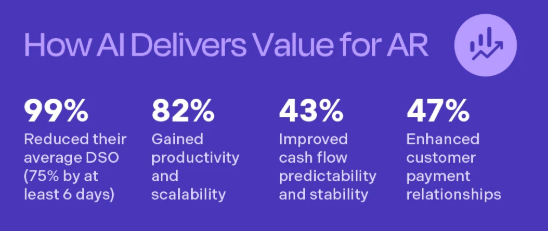
The shift is subtle but important. The focus is not just on collections intensity. It is on tightening the operational drivers of DSO growth across the entire receivables cycle.
As receivables complexity increases, many UK firms are reassessing internal capacity. This is where outsourcing accounts receivable services enters the discussion. Specialist AR providers introduce structured governance, consistent follow-up cadence, and standardised reporting frameworks. Instead of depending on individual effort, the process becomes measurable and repeatable.
Well-designed outsourced models typically strengthen:
For organisations experiencing a cash flow slowdown despite revenue growth, structured outsourcing accounts receivable services can stabilise the accounts receivable days ratio without materially increasing internal headcount.
QX Global Group supports UK businesses in stabilising accounts receivable days through structured process design and disciplined execution.
We help finance leaders:
If your accounts receivable days sales outstanding are trending upward despite revenue growth, it may be time to reassess whether your current model is built for 2026 conditions. Book a free, no-obligation discussion with our AR specialists now!
Revenue reflects sales earned. Accounts receivable days reflect cash collected. When credit terms stretch, billing slows, or disputes increase, the gap widens. The result is rising days sales outstanding even though topline performance appears healthy.
Invoice disputes and deductions interrupt the normal collection clock. Payments are withheld, partially settled, or delayed until issues are resolved. These dispute-related payment delays extend the effective days to collect accounts receivable, often without immediate visibility in headline metrics.
Reducing DSO requires tighter billing accuracy, structured follow-up cadence, clearer escalation frameworks, and stronger AR visibility and reporting. Disciplined accounts receivable management focuses on prevention and early intervention, not just chasing overdue balances.
Common operational drivers of DSO growth include extended credit terms, inconsistent collections discipline, fragmented AR visibility, delayed billing, and unresolved invoice disputes and deductions. These factors compound quietly before the accounts receivable days ratio visibly increases.
Yes, when embedded within clear workflows. Automation supports structured reminders, prioritised follow-ups, faster dispute logging, and improved reporting accuracy. Used correctly, it strengthens accounts receivable management discipline and helps stabilise days sales outstanding.
A business should evaluate outsourcing accounts receivable services when AR days trend upward despite revenue growth, dispute volumes increase, internal capacity is stretched, or reporting lacks clarity. Structured outsourcing introduces process consistency and improves control without expanding fixed headcount.

Education:
Diploma in Electronics & Telecommunication

With over 10 years of experience in payroll and finance operations, Pratik Bhatt specialises in multi-cycle UK payroll, compliance, accounts receivable, and accounts payable. At QX, he combines strategic planning with hands-on execution to deliver consistent results across client engagements. Known for his collaborative approach and stakeholder focus, Pratik brings a strong track record in project delivery, team leadership, and client relationship management.
Expertise: UK Payroll & Compliance, AR & AP Operations, Client & Stakeholder Management, Project Delivery, Strategic Execution
Originally published Feb 09, 2026 07:02:19, updated Feb 26 2026
Topics: Accounts Receivable Automation, Accounts Receivable Process
09 Sep 2026
A business can post record sales and still feel the squeeze. Orders are strong, revenue looks health...
Read More04 Aug 2026
For CFOs, the decision to outsource accounts receivable is rarely just about collections capacity. I...
Read More22 Jul 2026
Most cash flow problems do not begin when an invoice becomes overdue. They begin much earlier, throu...
Read More21 Jul 2026
A company can hit its revenue target and still weaken EBITDA. That sounds counterintuitive until you...
Read More