Topics: Accounts Receivable Automation, Finance & Accounting Outsourcing
Posted on April 07, 2026
Written By Pratik Bhatt




A rising days sales outstanding (DSO) number is rarely just a collections issue. In most cases, it signals that cash is getting stuck somewhere inside the order-to-cash cycle.
The problem usually starts earlier than finance teams expect. That delay comes at a cost. As DSO rises, more working capital stays tied up in receivables, liquidity tightens, and cash flow becomes harder to predict. For CFOs, that is not just an AR issue.
It is a direct drag on financial flexibility. DSO is widely used to track how efficiently receivables convert into cash, while working-capital guidance links delayed invoicing, weak receivables visibility, and inconsistent collection discipline to avoidable cash drag.
This is why businesses looking to improve collections performance often need more than internal follow-ups. They need stronger accounts receivable services, tighter credit control management, and a more disciplined invoice collections process.
When the underlying workflow improves, it becomes far easier to reduce days sales outstanding and restore healthier working capital.
Days sales outstanding (DSO) measures the average number of days a business takes to collect payment after a credit sale.
A lower DSO usually means receivables are being collected efficiently. A higher DSO means cash is taking longer to come in, which often points to weakness in the accounts receivable (AR) process, collections discipline, or credit control.
For CFOs, days sales outstanding (DSO) matters because it affects:
A rising DSO usually tells finance leaders that receivables are not converting into cash fast enough, and that some part of the order-to-cash cycle needs attention.
DSO does not move in isolation. It is shaped by the quality of the entire accounts receivable (AR) process.
If invoices are delayed, collections start late. If disputes are unresolved, payments stall. If ageing visibility is weak, overdue accounts are not escalated quickly enough. If sales, billing, and finance are not aligned, delays build quietly across the cycle.
That is why DSO is closely linked to the strength of your invoice collections process, your accounts receivable ageing management, and the discipline of your broader order-to-cash workflow. Businesses that improve those areas are in a much stronger position to control receivables and bring cash in faster.
In many businesses, DSO does not rise because customers suddenly become harder to collect from. It rises because small weaknesses across the receivables cycle start compounding.
The first issue often begins before the invoice is even raised. Credit is extended without enough discipline, payment terms are not calibrated to customer risk, and overdue behavior is not always fed back into future credit decisions.
That weakens credit control management from the start. When customer onboarding and credit evaluation are loose, late payments become more likely and collections teams end up dealing with avoidable risk later in the cycle. Guidance from AFP and other finance sources consistently links DSO performance to smarter credit policy and customer risk management, not just collections effort.
Many businesses still rely on a reactive invoice collections process. Follow-ups happen too late, communication is inconsistent, and disputes are escalated only after invoices have already aged.
That creates drag where speed should exist. Even when the customer intends to pay, the absence of a structured collections rhythm can stretch payment timelines unnecessarily. Prompt invoicing and efficient follow-up are widely recognized as core levers for improving DSO and cash flow.
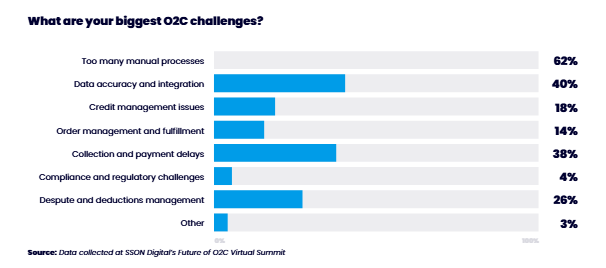
DSO also rises when the order-to-cash cycle is broken across too many handoffs. Sales, billing, finance, and collections may all be working from different data or different priorities. Invoices are delayed, disputes take longer to resolve, and cash application visibility becomes weaker. This is where order-to-cash workflow optimization becomes critical. If the workflow is fragmented, receivables slow down even when demand remains strong.
If finance teams cannot clearly see which receivables are overdue, by how much, and why, DSO almost always starts drifting upward. Strong accounts receivable ageing management is what allows collections effort to become targeted instead of reactive. Without that visibility, overdue accounts remain open longer, escalation happens later, and cash recovery slows.
This is one of the most common and most underestimated causes of rising DSO. If invoices go out late, the payment clock starts late. The business may record the revenue, but the cash conversion cycle has already been pushed back. That is why invoicing discipline matters so much within the wider accounts receivable (AR) process. A delayed invoice is not just an administrative lag but a direct delay in cash realization.
A rising days sales outstanding (DSO) number rarely stays confined to the receivables function. Over time, it starts affecting liquidity, planning accuracy, and the broader efficiency of the accounts receivable (AR) process.
The first impact is usually on working capital management. When receivables remain open for longer, more cash stays tied up in the cycle instead of flowing back into the business. That reduces liquidity and makes it harder to fund routine operations through internally generated cash.
As DSO rises, businesses often end up compensating elsewhere. They may rely more heavily on short-term borrowing, extend working capital facilities, or hold larger liquidity buffers than they would otherwise need.
That adds cost to what is often seen as just a collections delay. In reality, slow receivables recovery can force the business to fund gaps externally rather than through a healthier cash conversion cycle.
Higher DSO also makes cash flow less predictable. When collections timing becomes inconsistent, finance teams lose confidence in inflow visibility and planning becomes more reactive.
This is often where weak accounts receivable ageing management starts to show. If overdue balances are not being tracked, segmented, and escalated with enough discipline, cash forecasting quickly becomes less reliable.
The longer receivables remain unresolved, the greater the chance that some of them will not be collected in full. What starts as a delayed payment can gradually turn into a dispute, a deduction, or a write-off. This is where weak credit control management becomes expensive. If risk is not controlled early enough and overdue behavior is not acted on quickly, rising DSO can eventually turn into margin leakage.
The broader cost is strategic. When more cash is locked in receivables, the business has less flexibility to invest, absorb shocks, or respond quickly to growth opportunities.
That is why rising days sales outstanding (DSO) should not be treated as just an AR metric. It is a sign that the business is losing financial room to maneuver because the receivables cycle is not converting revenue into cash efficiently enough.
When DSO starts climbing, most businesses respond by pushing collections teams to follow up harder. That may help at the margin, but it rarely fixes the reason receivables are slowing down in the first place.
Structured accounts receivable services help correct that at the process level.
A healthier collections cycle starts with better credit decisions. If customer risk is not assessed properly at the front end, finance teams end up carrying the problem later through delayed payments, repeated follow-ups, and overdue balances that should have been prevented earlier.
With stronger credit control management, risk segmentation improves, payment terms become tighter and escalation rules are clearer. This helps reduce avoidable strain before invoices start ageing.
Collections tend to slow down when follow-up becomes irregular. Some accounts are chased too late. Some are handled inconsistently. Some remain open simply because no one is moving them forward with enough urgency. Well-run accounts receivable management services bring discipline back into the invoice collections process.
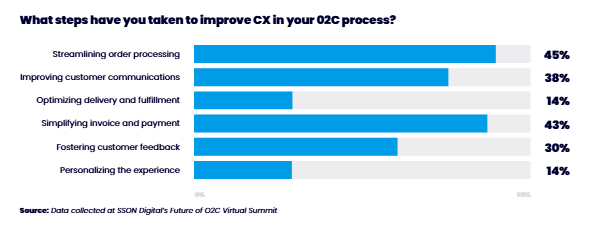
A lot of DSO increase has less to do with collections and more to do with what happens before the chase even begins. That is why order to cash workflow optimization matters so much. If the workflow is cleaner, collections become easier. If the workflow is fragmented, the AR team ends up chasing around process gaps instead of collecting cash.
Businesses rarely reduce DSO without getting much better at seeing where receivables are sitting and why. Not every overdue balance needs the same action. Some need escalation. Some need dispute resolution. Some need credit review.
Good accounts receivable ageing management gives finance teams that clarity. It helps them act earlier, prioritize better, and stop overdue balances from drifting deeper into the cycle.
Automation still has a role. But in AR, it works best when it supports a process that is already clear and controlled. Used properly, automation can speed up invoice generation, reminder scheduling, payment tracking, and cash application. It can strengthen the accounts receivable (AR) process. What it cannot do is compensate for poor ownership or weak workflow discipline.
Benefits of Outsourced Accounts Receivable Services
For many businesses, improving receivables internally sounds simpler than it is. The problems are spread across credit control, invoicing, collections, ageing review, and cash application, while internal teams are often already stretched.
That is why businesses that outsource accounts receivable services can create impact faster than expected.
That makes decision-making stronger across collections, credit, and risk. It also improves the quality of accounts receivable ageing management over time.
That is what makes DSO improvement more sustainable. The business is no longer reacting invoice by invoice. It is running a more controlled receivables engine.
For businesses dealing with rising receivables and uneven collections performance, the problem is rarely just follow-up effort. More often, it sits inside the structure of the process itself.
QX Global Group helps businesses outsource accounts receivable services to strengthen control across the full receivables cycle. That includes tighter credit control management, more disciplined collections execution, stronger accounts receivable ageing management, and better coordination across the wider accounts receivable (AR) process.
Talk to QX Global Group to see how stronger accounts receivable services can help reduce DSO, improve working capital control, and build a more disciplined order-to-cash cycle. Book a free, no-obligation call today!
DSO usually increases when there are gaps somewhere in the order-to-cash cycle. Late invoice issuance, weak credit control management, inconsistent follow-ups, unresolved disputes, and poor accounts receivable ageing management all slow the movement of cash. In many cases, the issue is not customer intent alone. It is a receivables process that is no longer tight enough to support timely collections.
Outsourced accounts receivable services improve cash flow by bringing more discipline to collections, ageing review, dispute follow-up, and credit control. When receivables are tracked more closely and overdue balances are acted on faster, cash comes back into the business sooner. That gives finance teams better visibility, reduces collection delays, and supports healthier working capital management.
High days sales outstanding (DSO) ties up cash in receivables for longer than necessary. That weakens working capital management, tightens liquidity, and reduces the cash available for day-to-day operations, growth investment, or unexpected costs. The longer receivables stay open, the more pressure the business feels elsewhere in the cycle.
Strong credit control management reduces overdue invoices by improving the quality of decisions before and after billing. Better credit assessment, clearer payment terms, earlier follow-ups, and faster escalation all help stop balances from ageing unnecessarily. In other words, tighter credit control reduces overdue invoices by preventing avoidable delays from building up in the first place.
Automation helps make accounts receivable management services more consistent and scalable. It can speed up invoice generation, reminder scheduling, payment tracking, cash application, and reporting. But automation works best when the underlying accounts receivable (AR) process is already clear and well managed. It strengthens execution. It does not replace process discipline.
Companies turn to accounts receivable services and outsourced accounts receivable services when collections are becoming harder to manage internally or when rising receivables start affecting cash flow. Outsourcing helps bring specialist focus, stronger follow-up discipline, better ageing visibility, and a more controlled invoice collections process. For many businesses, that leads to faster collections, lower DSO, and a more efficient receivables function overall.
The best partners are usually AR transformation or finance outsourcing providers that combine process redesign with automation. DSO improvement rarely comes from collections alone. It needs cleaner invoicing, stronger controls, and better customer payment visibility.
Look for partners with:
The strongest partners improve the full receivables cycle, not just the final collections step.

Education:
Diploma in Electronics & Telecommunication

With over 10 years of experience in payroll and finance operations, Pratik Bhatt specialises in multi-cycle UK payroll, compliance, accounts receivable, and accounts payable. At QX, he combines strategic planning with hands-on execution to deliver consistent results across client engagements. Known for his collaborative approach and stakeholder focus, Pratik brings a strong track record in project delivery, team leadership, and client relationship management.
Expertise: UK Payroll & Compliance, AR & AP Operations, Client & Stakeholder Management, Project Delivery, Strategic Execution
Originally published Apr 07, 2026 05:04:31, updated May 29 2026
Topics: Accounts Receivable Automation, Finance & Accounting Outsourcing
15 Sep 2026
Every compliance obligation a finance team meets requires data. Be it tax filings, statutory reporti...
Read More14 Sep 2026
A control failure doesn’t announce itself. It hides in the one routine a single trusted person own...
Read More11 Sep 2026
Picture a 90-unit association collecting around $290 a month per home. The books live in a spreadshe...
Read More09 Sep 2026
In July 2026, one of Britain’s biggest housebuilders had a rough morning. Vistry Group warned ...
Read More