Topics: Finance and Accounting Transformation
Posted on April 28, 2017
Written By QX Global Group



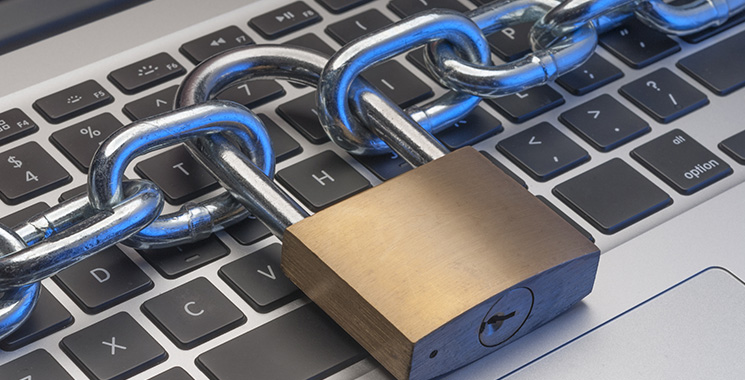
One of the most critical parts of any recruitment agency is its database – years spent in the making but this invaluable asset is at risk. Imagine its access being taken away from you with an accompanying ransom message demanding money, often in bitcoins, to stop it being destroyed.
According to a recent report, ransomware attacks increased threefold last year between January and September, with hackers targeting insecure databases with inadequate data protection in place or with insufficiently robust back-up procedures. 1 in 5 businesses that did pay the ransom didn’t get their data back either!
The term ransomware is used for a type of malware that sabotages files and makes them unusable. Ransomware can unintentionally be installed by opening an attachment from an email that is disguised as a legitimate file; this triggers a download which once opened encrypts the victim’s files or the entire hard drive, making it completely inaccessible.
The most common category of ransomware is ransomlocker. It is often set up so that only one file is left behind, which when opened issues demands for a particular amount of money, often in crypto-currency like Bitcoin. If your data is not backed up, the only option you have is to shell out the money and hope for the best. Needless to say, the sudden loss of data would not only put a spanner in the works, but also damage your reputation and harm your relationship with the clients.
Prevention is most definitely the mode of attack here; ensure the most secure protection is available for your data and follow suitable back-up procedures to ensure your data is not lost. Also, train your staff in online fraud detection and prevention techniques.
1. Back up your servers and computers daily
Your desperation to access the data that is encrypted by the ransomware is what makes such types of attacks so deadly. However, if you have a system in place to regularly back up individual computers as well as servers, then a ransomware affecting just one computer or a part of your system will fail to hurt you. Your IT team can simply remove the malware and upload the backed-up date to the system. By using read-only access for files on network drives and restricting user permissions, you can ensure that the ransomware is not able to spread from one computer and infect other files on the network.
2. Keep your software updated and deploy anti-malware security
Most malware attacks, including ransomware, often target systems running outdated software. Older versions of software or applications have known vulnerabilities that hackers can exploit. Most reputed software providers release patches and security updates regularly. By keeping the software updated, you reduce the chances of falling into the ransomware trap.
At the same time, ransomware can still infect your computer through browsers or through vulnerable web applications. For instance, one of the most common entry points for ransomware is your email application. The threat of most inbound emails with malicious attachments can be mitigated through a security service that scans the emails and attachments before a user can open it. Security firewalls perform as a second layer of protection in case the malware is able to slip past the anti-malware software.
3. Train your staff to detect and avoid cybercrime
Lack of staff awareness is the other threat – don’t assume people know which emails not to open or which websites to avoid – cyber security staff training across the whole company is vital. Staff awareness can be achieved and sustained through measures like induction training regarding cyber security, internal control policy guidance, educating the staff at regular intervals and setting up spot reporting and making provisions for initiating suitable action on exception or breach of the policy. Remember, these attacks work because of the sophistication of the parties exhorting money – their emails frequently look genuine, official and appear to come from genuine companies. Staff need to know what to look our for.
The above preventive measures will provide a high level of security to your recruitment agency and help in mitigating the risks posed by ransomware. But there are various other types of cyber frauds that you must guard against. Especially, the ones that target your accounting department and lead to loss of money and reputation.

Originally published Apr 28, 2017 09:04:35, updated May 15 2025
Topics: Finance and Accounting Transformation
16 Jan 2026
Occupancy alone no longer tells the full financial story in multifamily real estate. In 2026, slowin...
Read More09 Jan 2026
2026 marks a structural reset for U.S. commercial real estate finance. With capital costs rising an...
Read More06 Jan 2026
In the U.S. real estate industry, accounting is far more than a back‑office function. It is the fr...
Read More24 Dec 2025
In senior living, finance isn’t just about dollars, it’s about delivering care with consistency,...
Read More